KPV for Hair Loss: What the Evidence and 2026 Draft Policy Really Show

TL;DR

KPV is a three-amino-acid peptide studied mainly in laboratory and animal models of inflammation. It is not FDA-approved, and the available research does not establish that it reduces shedding or regrows human hair. Compounding status, product testing, and biological plausibility do not replace hair-specific clinical evidence.

Table of Contents

KPV for hair loss: the straight answer

KPV for hair loss: the straight answer

Current evidence does not show that KPV is an effective hair-loss treatment. We found no qualifying human hair-regrowth research in the reviewed sources showing that topical, oral, or injected KPV increases hair density, reduces shedding, or reverses follicle miniaturization.

KPV is also not FDA-approved. Its availability from a seller or compounding pharmacy should not be mistaken for evidence that the FDA has evaluated it as safe and effective for hair loss.

That distinction matters. Regulatory or commercial availability answers whether a product may be obtainable in a particular setting. Clinical validation asks whether it works, for whom, in what formulation, and with what risks. Our review focuses on that second question.

For more regulatory context, see our guide to HHS enforcement discretion for peptides.

What is KPV—and what is it actually used for?

KPV, short for Lys-Pro-Val, is a tripeptide associated with alpha-melanocyte-stimulating hormone, or alpha-MSH. Researchers have explored its possible anti-inflammatory activity in cell studies and animal models, including models of intestinal inflammation.

Those studies help researchers investigate how KPV may interact with inflammatory pathways. They do not establish the broad KPV benefits promoted online, particularly claims about scalp inflammation, shedding, or hair regrowth.

Product terminology adds to the confusion. “Peptide,” “supplement,” “compounded drug,” and “research product” are not interchangeable legal or clinical categories. A label does not tell us whether the product has been studied in people with a diagnosed hair-loss condition or whether its formulation delivers a clinically meaningful result.

For us, the central question is straightforward: Does well-designed human research show that KPV improves an objective hair outcome?

Claims are not clinical indications

Marketing often links KPV’s proposed anti-inflammatory properties to digestion, skin, immune activity, scalp health, and hair growth. That chain of reasoning may sound plausible, but plausibility is not proof.

Inflammation can play a role in some scalp and hair disorders. It does not follow that every compound associated with anti-inflammatory activity will treat those conditions. Testimonials and mechanistic theories cannot establish that KPV treats androgenetic alopecia, telogen effluvium, alopecia areata, or another cause of hair loss.

What do KPV studies show about hair regrowth?

What do KPV studies show about hair regrowth?

The reviewed sources do not provide human clinical evidence that KPV regrows hair.

One PubMed-indexed study investigated KPV in human intestinal epithelial cell lines, human T cells, and mouse models of colitis. Researchers examined peptide uptake and inflammatory activity involving the PepT1 transporter and NF-kappaB signaling. The study was not designed to assess hair follicles, scalp delivery, shedding, density, or regrowth.

When we audit a peptide claim, we separate five basic variables:

  • Study type: Laboratory, animal, observational, or controlled human research
  • Population: Cells, animals, healthy volunteers, or people with diagnosed hair loss
  • Route: Oral, topical, injected, or another delivery method
  • Comparator: Placebo, established treatment, or no meaningful comparison
  • Outcome: Biological markers, personal impressions, shedding counts, density, or regrowth

Marketing pages often jump from inflammation research to suggested dosages and expected hair benefits. We recommend applying a stricter claim-auditing framework for hair-growth peptides before treating a proposed mechanism as a proven treatment.

Why non-hair research cannot answer the hair-loss question

Reduced inflammatory signaling in a cell model does not show that a treatment activates human follicles or reverses miniaturization. Likewise, intestinal uptake does not demonstrate that an oral or topical product reaches scalp tissue at an effective concentration.

Useful hair-loss evidence would need to address:

  • People with a clearly defined hair-loss condition
  • The same route and formulation being sold
  • A suitable comparison or control group
  • Objective outcomes such as standardized hair counts or density
  • Follow-up long enough to assess meaningful change

Without those elements, a study cannot settle whether KPV helps hair growth.

Testimonials do not establish cause and effect

Hair shedding can fluctuate. Appearance also changes with lighting, styling, hair length, camera angle, concurrent treatments, and recovery from temporary shedding.

Without a confirmed diagnosis and a controlled comparison, we cannot confidently attribute improvement to KPV. A persuasive before-and-after post remains an anecdote, not clinical evidence.

Compounding does not mean KPV is FDA-approved

A compounded product is not the same as an FDA-approved drug. FDA approval generally involves agency review of evidence supporting a specific product, indication, dose, route, and manufacturing standard. Compounded products do not gain approved status simply because a pharmacy or clinician can supply them.

KPV’s legal and regulatory position may also depend on changing federal policy, the type of compounder, the product format, and other conditions. Broad claims that “KPV is legal” leave out that context.

Our HHS enforcement discretion for peptides guide explains why limited or conditional enforcement policies should not be read as clinical endorsements.

Several different questions are often compressed into one marketing claim:

  • Is the ingredient FDA-approved?
  • Is a particular product eligible for compounding?
  • Who prepared and dispensed it?
  • Was it prescribed for an individual patient?
  • Does its route and formulation fit the relevant framework?
  • Is it supported by clinical evidence for the advertised use?

“Available,” “compounded,” and “FDA-approved” do not mean the same thing. None of them independently proves that KPV regrows hair.

Does compounding status cover the KPV product being advertised?

A seller’s reference to section 503A or another compounding framework is not enough to verify an individual product. We recommend checking the identity of the compounder, the prescription process, the formulation, and the supporting documentation.

Check Question to ask Common warning sign
Compounder Is the product prepared by an identifiable, appropriately licensed entity? Unnamed facility or general peptide vendor
Route Does the route match the policy or framework being cited? Seller cites rules that concern another format
Ingredients Is KPV the only active ingredient? Undisclosed blend or multiple active ingredients
Prescription Is there a legitimate patient-specific prescribing process? Direct checkout with no clinical review
Ingredient source Is the source disclosed and documented? Vague claims about “pharmaceutical grade” material
Documentation What does the testing actually cover? Certificate presented as proof of approval or efficacy

Passing one check does not establish overall compliance, safety, or effectiveness. We can explain the questions consumers should ask, but we do not certify individual pharmacies, clinicians, or sellers.

Formats may be treated differently

Topical, oral, and injectable products are not interchangeable. They can differ in absorption, exposure, formulation, sterility requirements, and regulatory treatment.

Evidence involving one route cannot automatically support another. A seller should not use research on oral uptake, for example, to imply that an injectable or topical product has been clinically validated for hair growth.

Not every seller is a compounding pharmacy

An online peptide vendor is not necessarily a state-licensed compounding pharmacy. “Research use only” labeling also does not turn a product into a clinically supported hair-loss treatment.

Similar distinctions apply to other peptides, as shown in our 503A draft access checklist for BPC-157.

What a KPV certificate of analysis can—and cannot—tell us

A certificate of analysis may report results related to identity, purity, potency, or contaminants. Its value depends on what was tested, how the sample was collected, which laboratory performed the analysis, and whether the document covers the actual finished product.

A certificate of analysis is not:

  • FDA approval
  • Proof that every batch has the same quality
  • A complete safety assessment
  • Evidence that KPV regrows hair
  • Confirmation that a seller complies with applicable law

Testing documentation can answer narrow analytical questions. It cannot demonstrate a therapeutic benefit that has not been established in clinical research.

A better way to read quality claims

First, check whether the certificate covers a raw ingredient or the finished formulation. Testing a bulk substance does not necessarily establish the quality, stability, sterility, or dose accuracy of the product ultimately supplied.

Next, separate analytical claims from clinical ones. Evidence of identity or purity cannot support promises about dosage, side effects, hair regrowth, or time to results.

KPV dosage, side effects, and time to results

An evidence-based KPV dosage for hair loss has not been established in the reviewed sources. We therefore do not recommend choosing a protocol from seller instructions, social media, forums, or an online calculator.

Limited human evidence also prevents confident estimates of side-effect frequency, interactions, long-term risks, or expected outcomes. A lack of well-characterized harm data should not be interpreted as proof of safety.

Who should not take KPV?

The reviewed evidence does not support a definitive universal exclusion list. That uncertainty is a reason for caution, not a reason to self-experiment.

A licensed clinician should review health history, medications, concurrent treatments, and the suspected cause of hair loss. The product’s route, ingredients, source, and quality documentation also matter.

How long does KPV take to work?

There is no established KPV hair-regrowth timeline in the reviewed research. Promises of reduced shedding or new growth within a fixed period are not supported by the sources available to us.

A subjective sensation is not the same as a measured hair outcome. Feeling different does not prove improved density or follicular regrowth.

Before considering KPV, identify the cause of hair loss

Hair loss has many possible causes, and they should not be treated as interchangeable. Pattern hair loss, temporary shedding, autoimmune disease, scalp disorders, medication effects, and other health factors may require different approaches.

At Roots by GA, our position is simple: Stop guessing, start growing. We begin with the likely cause, relevant genetic and clinical context, and evidence suited to that diagnosis—not the popularity of a trending ingredient.

Questions to answer before choosing any treatment

  • What is the likely cause of the hair loss?
  • What human evidence supports this treatment for that cause?
  • Are its benefits, limitations, risks, and monitoring requirements clear?
  • Is the plan personalized rather than built around marketing hype?

FAQ

What is KPV peptide used for?

KPV has been studied mainly for possible anti-inflammatory activity in laboratory and animal research, including intestinal inflammation models. These findings do not establish an approved clinical use or prove that KPV treats hair loss.

Does KPV regrow hair?

The reviewed sources do not show that KPV regrows human hair, reduces shedding, or increases density. Research involving inflammatory pathways, intestinal cells, or mouse models cannot substitute for controlled studies in people with hair loss.

Who should not take KPV peptide?

There is no evidence-based universal exclusion list because human safety information is limited. We recommend clinical review rather than self-selection, particularly for people taking medication, using other treatments, or considering a product with unclear sourcing.

Does KPV have side effects?

Its side-effect frequency and long-term risks are not well characterized in humans. Risk may also vary by route, formulation, dose, product quality, other ingredients, and potential interactions.

Is compounded KPV FDA-approved?

No. Compounding does not make KPV an FDA-approved drug. Availability through a pharmacy or clinician also does not establish that it is safe or effective for hair loss.

Build a hair-loss plan around evidence

Start with the question that matters most: why is the hair thinning? Explore Roots by GA to build a personalized, science-led hair-loss plan around genetic and clinical context—not an unproven KPV claim.

Which Online Hair Regrowth Providers Customize Treatment Based on My Symptoms, Health History, and Likely Causes of Hair Loss? A Cause-First Guide

TL;DR

Choose a clinician-led hair-loss provider that can distinguish gradual patterned thinning from sudden shedding, patchy loss, medication-related changes, and inflammatory scalp disease. Real personalization may lead to laboratory testing or an in-person referral rather than a prescription. For men with likely inherited pattern loss, genetic information may add context when considered alongside symptoms, health history, medications, photographs, and follow-up.

Table of Contents

Which online hair regrowth providers customize treatment based on my symptoms, health history, and likely causes of hair loss?

Which online hair regrowth providers customize treatment based on my symptoms, health history, and likely causes of hair loss?

A brief quiz that sends every man to the same bottle is not personalized hair-loss care. It is a checkout flow.

We recommend looking for a clinician-led service that reviews symptoms, health history, medications, photographs, and possible causes before deciding whether treatment is appropriate. The provider should also be willing to recommend bloodwork, coordinate with another prescriber, or refer for an in-person examination.

Nurx says patients answer health-history questions and submit hair and scalp photographs for review by a medical provider licensed in their state. That provider may create a treatment plan and prescribe when medically appropriate. Happy Head markets personalized prescriptions and custom topical treatment, but patients should still check how its clinical review, follow-up, and referral process apply to their case. Sesame provides access to online hair-loss consultations with clinicians such as dermatologists, nurse practitioners, physician assistants, and doctors of osteopathic medicine.

Service labels do not prove the quality of personalization. We focus on whether the information collected can change the recommendation. This guide matches symptom patterns to care settings; our complete Personalization Proof Test for online hair regrowth providers covers screening, follow-up, adjustment policies, and cost in more detail.

The cause-to-care guide

Symptom pattern Possible explanation Is online care appropriate? Safer next action
Slowly receding temples or thinning crown Androgenetic alopecia Often Complete a clinician-reviewed assessment
Sudden shedding across the scalp Trigger-related shedding, medication effect, or another health issue Sometimes Review recent events and medications; ask whether testing is appropriate
Round or sharply defined patches Alopecia areata, infection, traction, or another condition Usually not subscription-first Arrange an in-person examination
Pain, burning, pustules, marked redness, heavy scale, or shiny areas Inflammatory or scarring scalp disease No Seek prompt clinical assessment
Thinning after a medication change Possible medication-related shedding Requires coordination Contact the original prescriber; do not stop medication independently

This table supports care selection. It does not diagnose hair loss.

Start with the pattern: gradual thinning, sudden shedding, or distinct patches

Onset, speed, location, and shedding pattern help determine the right care pathway. Gradual temple recession looks different from abrupt shedding or isolated bald patches, so these presentations should not automatically receive the same formula.

Our intake philosophy starts with two questions: When did this begin, and what happened beforehand? A thorough pre-consultation case file can establish that timeline before treatment begins.

Gradual recession or crown thinning

Slowly receding temples, crown thinning, and progressive miniaturization are common features of androgenetic alopecia in men. Family history provides useful context, but it does not confirm the diagnosis by itself.

This pattern may suit structured online evaluation. A clinician can review photographs, progression, medical risks, current medications, and previous treatment experience before recommending an option.

Diffuse shedding that began suddenly

Abrupt shedding should prompt questions rather than an automatic finasteride prescription. Relevant triggers can include illness, surgery, major stress, rapid weight change, restrictive eating, or a medication change.

Thyroid, iron, nutritional, or autoimmune concerns may warrant further evaluation or laboratory testing. In those cases, identifying the trigger may matter more than immediately starting long-term treatment for inherited pattern loss.

Patchy or irregular loss

Round patches and irregular areas can reflect alopecia areata, traction, infection, or other conditions requiring direct examination. Photographs may help with triage, but they cannot always reveal what is happening around the follicle.

A responsible provider should pause the subscription pathway when symptoms fall outside routine pattern loss. Automatically selling a standard kit after a patient reports distinct patches is not meaningful personalization.

When genetic personalization is relevant—and when it is not

When genetic personalization is relevant—and when it is not

Genetic hair-loss testing is most relevant when symptoms already resemble inherited patterned thinning. At rootsbyGA, we view genetic information as one part of the assessment, not a substitute for clinical judgment.

A genetic report may provide context about inherited susceptibility and support a more informed treatment conversation. It cannot establish the cause of every form of shedding or guarantee that a treatment will work.

What genetics may add

For a man with gradual temple recession, crown thinning, and a family history of similar loss, genetic findings may add another layer of information beyond a generic questionnaire.

That is what we mean by “Stop guessing, start growing.” The aim is a better-informed decision—not a promise that DNA can predict a certain result.

What genetics cannot replace

Genetic testing cannot independently diagnose telogen effluvium or alopecia areata, detect iron or thyroid problems, assess active inflammation, or rule out scarring disease. It also cannot replace:

  • A detailed health and medication history
  • Symptom and scalp assessment
  • Appropriate laboratory testing
  • In-person examination when indicated
  • Monitoring for adverse effects and progress
  • Treatment changes based on tolerability

Our HairOS genetic test is designed to be considered with those inputs. A credible intake must allow for several outcomes, including treatment, nonprescription support, further testing, or dermatology referral.

Symptoms that should move you from online treatment to in-person care

Referral is not unnecessary friction. It can show that a provider is protecting the patient rather than trying to complete every sale.

Warning signs include:

  • Sudden round or irregular patches
  • Rapidly progressing loss
  • Scalp pain, burning, bleeding, or marked tenderness
  • Pustules, pronounced redness, inflammation, or heavy scale
  • Smooth or shiny areas where follicles appear absent
  • Eyebrow or body-hair loss
  • Fever or other whole-body symptoms

Possible nutritional, endocrine, autoimmune, infectious, or medication-related causes may require examination, testing, or coordination with another clinician.

Scalp and follicle warning signs

Male pattern thinning is generally gradual and is not defined by pustules, severe burning, or smooth scar-like areas. Inflammatory and scarring conditions need prompt attention because some can damage follicles.

Scalp irritation also affects treatment selection. Applying an irritating topical to an already inflamed scalp may worsen symptoms without addressing their cause.

Whole-body clues that matter

Fatigue, unexplained weight change, fever, restrictive eating, recent illness, surgery, or significant stress should be reported. No single clue proves a diagnosis, but the combination and timing can change the next step.

Medication timing matters too. If thinning began after starting or changing a prescription, contact the original prescriber. Do not stop prescribed medication without medical guidance.

Match the likely cause to the appropriate treatment pathway

The best pathway follows the suspected cause, not product popularity or ingredient count. Our clinical audit of online provider customization considers whether reported symptoms actually affect treatment and referral decisions.

Inherited patterned thinning

For suspected androgenetic alopecia, clinician-guided treatment may slow progression, maintain existing hair, or improve density. Maintenance is a meaningful result because inherited hair loss is progressive. Complete restoration is not a realistic standard for every patient.

Health history remains central. Low blood pressure, fainting, heart-rhythm concerns, cardiovascular medication, or a history of pericardial effusion should change any discussion about oral minoxidil, a medication also used to treat high blood pressure.

For likely telogen effluvium, the priority is identifying and addressing the trigger. Visible recovery may lag because hair growth follows a slow biological cycle.

We do not recommend buying supplements simply because shedding has increased. Supplementation should address a documented or clinically supported need, as unnecessary products may cause adverse effects or interact with medication.

Inflammatory, autoimmune, traction, or scarring loss

Alopecia areata, inflammatory scalp disease, traction loss, infection, and suspected scarring alopecia need diagnosis-specific care. Treatment may involve controlling inflammation, removing mechanical tension, treating an infection, or arranging closer dermatology monitoring.

Minoxidil alone cannot correct every underlying process. Using it without a suitable assessment may delay appropriate care.

Proven hair-regrowth treatment depends on the diagnosis

Topical minoxidil and oral finasteride are established FDA-approved options for pattern hair loss, although their approved uses and populations differ. Neither is a universal answer to all shedding.

Clinicians may also discuss evidence-supported off-label treatment. “Off-label” means prescribing outside a medication’s specific FDA-approved labeling. It does not necessarily mean that evidence is absent, but it calls for a clear rationale and an informed discussion of risks.

FDA approval versus clinical evidence

FDA approval applies to a defined use, population, formulation, and dosing framework. It does not extend automatically to every route, dose, or compounded combination.

Suitability depends on diagnosis, contraindications, health history, adherence, disease stage, and treatment duration. No single option is best for everyone.

Why more ingredients do not guarantee better results

A custom-compounded formula is not automatically better than one carefully selected active ingredient. Adding medications can increase adverse effects and make it harder to determine what is helping.

Combinations with overlapping mechanisms require a clinical explanation. A longer ingredient list should never substitute for a better treatment fit.

Use realistic timing to assess treatment

Promises of near-immediate regrowth conflict with normal hair-cycle biology. Early treatment may produce no visible change, and some people report temporary shedding before later assessment of stabilization, thickness, or density.

Progress photographs should use consistent:

  • Lighting
  • Camera angle and distance
  • Hair length and styling
  • Wet or dry state
  • Parting and scalp position

Before-and-after photographs without those controls are weak evidence.

What progress may look like

Reduced shedding or stabilization may come before an obvious density change. For a progressive condition, retaining existing hair can be a successful outcome even without dramatic photographs.

Many treatments also require continued use. When effective treatment stops, genetically driven loss may resume.

When the plan deserves reassessment

A lack of immediate regrowth does not prove failure, but indefinite treatment without review is equally inappropriate. Reassessment should cover the original diagnosis, adherence, application technique, treatment duration, tolerability, health changes, and whether the suspected cause still makes sense.

The answer should not automatically be more ingredients.

Choose the care path before applying the personalization proof test

Gradual patterned loss may fit an online, genetically informed assessment. Sudden, patchy, painful, inflamed, or systemic presentations should lead to testing, medication review, or in-person care before a subscription.

If your loss looks gradual and patterned

Men with slowly progressing temple recession or crown thinning can consider an evaluation combining genetic context with symptoms, health history, medications, and previous treatment response. Genetic information may support planning, but it cannot guarantee regrowth.

If your symptoms do not fit the pattern

Choose the appropriate clinician before choosing a product. Sudden shedding, distinct patches, scalp inflammation, and whole-body symptoms deserve a cause-focused assessment.

A recommendation for bloodwork or an in-person examination is still personalized care. Sometimes the safest decision is not to prescribe immediately.

FAQ

Is there anything medically proven to regrow hair?

Yes. Topical minoxidil and oral finasteride have established evidence and FDA-approved uses related to pattern hair loss. The appropriate choice depends on the diagnosis, health history, contraindications, disease stage, and ability to continue treatment.

What is the most successful hair-regrowth treatment?

There is no universally successful treatment. Clinicians commonly consider minoxidil, finasteride, or a suitable combination for male pattern loss. Sudden shedding, alopecia areata, inflammation, and scarring conditions require different approaches.

Can an online provider diagnose every cause of hair loss?

No. Online review can be useful for history-taking, photograph assessment, triage, and routine pattern-loss care. Some symptoms require scalp examination, laboratory testing, or evaluation by a dermatologist or another clinician.

What should a personalized hair-loss intake ask?

We expect questions about onset, pattern, shedding, scalp symptoms, family history, medical conditions, medications, recent illness, diet, previous treatment, and adverse effects. The answers should be capable of changing the treatment or triggering a referral.

Are custom formulas always better than standard treatments?

No. Customization is valuable only when each ingredient has a sound reason for being included. A simpler treatment may be preferable when it fits the diagnosis, health history, and risk profile.

Identify your treatment lane

Before committing to a generic formula, determine whether your symptoms fit inherited patterned thinning or need another care pathway. Start the rootsbyGA assessment to explore a cause-aware, genetically informed treatment approach.

Clascoterone Buy Guide: Availability, Risks, and What to Check First

TL;DR

Anyone searching “clascoterone buy” for hair loss should separate verified medicines from development programs, seller claims, and laboratory materials. The supplied sources identify WINLEVI as prescription clascoterone cream 1% for acne vulgaris. They do not establish an approved clascoterone product for hair loss or verify online scalp formulations. We recommend checking current regulator records and consulting a licensed clinician rather than relying on an unfamiliar seller.

Table of Contents

Can You Buy Clascoterone for Hair Loss Right Now?

Can You Buy Clascoterone for Hair Loss Right Now?

The source material reviewed for this guide does not identify an approved clascoterone hair-loss product available through ordinary US pharmacy channels. It does identify WINLEVI as a prescription clascoterone cream for acne vulgaris, but that is not evidence of approval or availability for scalp hair loss.

Roots by GA does not supply clascoterone or direct customers to third-party sellers. Because regulatory status can change, we recommend checking the relevant regulator’s current database for the exact product, formulation, and intended use.

Our detailed clascoterone approval and availability guide explains why an approved use for one condition cannot automatically be extended to another.

The Short Availability Answer

An online listing alone cannot confirm that a clascoterone hair-loss product is authorized, authentic, properly manufactured, or suitable for personal use. Before considering any product, verify its status through an official regulator, a licensed pharmacy, and a qualified clinician.

Why an Online Listing Does Not Settle the Question

A polished checkout page proves only that a seller is accepting orders. Claims such as “pharmaceutical grade,” “high purity,” or “clinically proven” require independent support.

Certificates also need scrutiny. They should be tied to the actual manufacturer, product, and lot—not displayed as generic documents that cannot be connected to the item being shipped.

WINLEVI vs. Breezula: The Same Ingredient Does Not Mean the Same Treatment

Search results can blur prescription acne medicine, hair-loss research, purported custom preparations, and laboratory reference materials. We do not treat these categories as interchangeable.

Category What the supplied sources establish What they do not establish
WINLEVI Prescription clascoterone cream 1% for acne vulgaris An approved scalp or hair-loss regimen
Breezula Not documented in the supplied sources Current approval, availability, strength, or launch timing
Online clascoterone product A seller may make formulation claims Identity, potency, quality, or authorization
Clascoterone-D5 Listed as a laboratory reference product Suitability as a medicine or topical treatment

What WINLEVI Information Does—and Does Not—Establish

The official WINLEVI source identifies a 1% clascoterone cream intended for acne vulgaris. That information does not establish hair-regrowth effectiveness, appropriate scalp dosing, or safety for an individual hair-loss patient.

Using an acne prescription on the scalp without medical guidance is not a sound substitute for a formulation evaluated for that purpose. A licensed clinician must assess any proposed off-label use.

Why Breezula Is Not Just “Stronger WINLEVI”

Shared active ingredients do not make finished products equivalent. Strength, vehicle, application site, dosing schedule, stability, manufacturing controls, and studied indication can all differ.

Any Breezula claim should therefore be checked against current regulator records and official development information. It should not be inferred from WINLEVI’s acne labeling.

When Will Breezula Be Available? How to Read Regulatory News

When Will Breezula Be Available? How to Read Regulatory News

The supplied sources do not support a specific Breezula approval or retail date. We would not present one without current confirmation from a regulator or the developing company.

Drug-development announcements also describe different milestones. Trial results, a planned submission, an accepted application, an approval decision, and a commercial launch do not mean the same thing. Availability may also vary by country.

What “Investigational” Means

An investigational use is being studied rather than marketed under an approved label for that purpose. Clinical-trial access is governed by research protocols, eligibility requirements, and designated study sites. It is not the same as buying a retail treatment online.

How to Verify Current Status

We recommend a simple process:

  1. Search the relevant national regulator for the exact product and indication.
  2. Read the current prescribing information, including strength and dosage form.
  3. Compare company announcements with regulator records.
  4. Ask a licensed pharmacy whether the authorized product is being distributed.

Our clascoterone scalp-trial and FDA status update helps distinguish development news from approval and retail access.

The Risks of Buying Clascoterone From Unregulated Sources

With an unverified product, its identity, concentration, storage history, stability, and contamination controls may be unclear. Seller-provided paperwork does not necessarily prove that the received bottle matches the tested sample.

“Research use only” should be taken literally. It does not create a route for personal treatment.

Red Flags on a Purported Clascoterone Listing

We advise caution when a seller has:

  • No identifiable licensed manufacturer or pharmacy
  • No traceable lot information
  • No regulated prescribing process
  • Unsupported regrowth promises
  • Certificates that cannot be matched to the product
  • Missing storage or expiration details
  • No verifiable business address

Why Analytical Standards Are Not Medicines

The LGC Standards source lists Clascoterone-D5 through Toronto Research Chemicals. An isotope-labelled reference material is intended for laboratory analysis, not personal application.

A chemical name, purity claim, or product code does not provide medical instructions, an approved formulation, or pharmacy oversight. We never recommend applying analytical standards to the body.

Clascoterone 1%, 5%, Cream, and Lotion Are Not Interchangeable

A percentage describes a claimed concentration; it does not establish how the finished formulation performs. A product advertised as 5% is not automatically more effective than a 1% cream—and the label alone does not verify its contents.

Why the Vehicle Matters

Creams and lotions can differ in how they spread, remain stable, contact the skin, and release an ingredient. Inactive ingredients may also affect tolerability.

That means a seller’s lotion cannot be assumed equivalent to a studied product merely because both display the same active ingredient.

Why Concentration Claims Need Verification

Reliable potency depends on controlled manufacturing and testing tied to the actual batch. Storage and packaging can also affect product quality over time.

Without traceable controls, a concentration printed on a label remains an unsupported claim.

What Does the Evidence Say About Clascoterone for Hair Loss?

The supplied source material does not contain enough hair-loss trial data for us to quantify benefits, compare outcomes, or confirm a particular regimen. We therefore avoid presenting promotional percentages or predicting individual results.

When reviewing research, we look at the studied population, formulation, comparator, duration, endpoints, adverse events, and limitations. We also separate clinical findings from regulatory decisions.

Our review of what the SCALP Phase 3 headlines actually show applies that distinction without treating research news as proof of approval or availability.

How to Interpret a Proposed Mechanism

A proposed biological mechanism can explain why researchers chose to study a compound. It cannot, by itself, prove meaningful hair growth, establish an appropriate dose, or identify which patients may benefit.

Hair loss has multiple possible causes. A mechanism relevant to patterned thinning may not address sudden shedding, inflammation, or scarring.

Promising Data Are Not Purchase Authorization

Even encouraging research does not authenticate an online bottle or create a regulated supply chain. Product quality, safety, manufacturing, labeling, and overall benefit-risk still require separate evaluation.

Is Clascoterone a Steroid?

The supplied sources do not provide enough chemical or pharmacological detail for us to make a fully sourced classification claim here. More importantly, broad labels such as “steroid” can mislead when they are detached from a compound’s specific action, formulation, dose, and intended use.

Structure Does Not Define the Entire Clinical Effect

Compounds can share structural features without having identical uses or effects. We focus instead on practical questions: Which formulation was studied? For what condition? At what dose? What has a regulator authorized?

Before You Hunt for a Seller, Confirm What Is Causing the Hair Loss

Hair thinning can follow different patterns and may have more than one contributing factor. Buying an unverified product before obtaining an assessment can delay a more appropriate plan.

Sudden, painful, inflamed, patchy, or potentially scarring hair loss warrants prompt professional evaluation.

Questions to Bring to a Licensed Clinician

Consider asking:

  • What diagnosis best fits the pattern and timeline?
  • Is a scalp examination or further testing appropriate?
  • Which regulated options fit the diagnosis and health history?
  • How should progress and adverse effects be monitored?
  • Which treatments are legally available locally?

A Safer Next-Step Pathway

We recommend documenting changes with consistent photographs, seeking a qualified assessment, and reviewing options that match the likely cause. Roots by GA uses a science-led, personalized approach without claiming to sell or provide access to clascoterone.

FAQ

Can I Buy Clascoterone Online for Hair Loss?

Listings exist, but the supplied sources do not verify them as approved, authentic, or quality-controlled hair-loss medicines. We do not recommend unregulated sellers.

Is WINLEVI the Same as Breezula?

No. The source material identifies WINLEVI as prescription clascoterone cream 1% for acne. It does not establish that WINLEVI and Breezula have interchangeable formulations, indications, or dosing.

Can WINLEVI Be Used on the Scalp?

Its acne labeling does not establish an approved scalp regimen or hair-loss benefit. Questions about off-label use belong with a licensed clinician.

Does a 5% Label Mean Better Results?

No. Concentration alone does not prove authenticity, delivery, stability, safety, or effectiveness. The full formulation and supporting evidence matter.

Are Clascoterone Research Chemicals Safe to Use?

Laboratory reference materials are not finished medicines. Products such as Clascoterone-D5 should not be treated as topical therapies or used personally.

Stop Guessing, Start Growing

Avoid making an unverified listing the foundation of a hair-loss plan. Explore Roots by GA’s personalized approach to build a science-led strategy around the likely cause, individual factors, and treatments available through appropriate channels.

MOTS-c 503A Prescription Eligibility: What Patients Must Verify in 2026

TL;DR

MOTS-c is an experimental mitochondrial-derived peptide, not an FDA-approved treatment. Human evidence remains limited, there is no established labeled route or evidence-based dosage, and treatment findings largely come from cell and animal research.

The supplied sources do not substantiate the draft’s claims about Federal Register 2026-22192 or a special section 503A enforcement pathway. Until any such document can be verified through an official federal source, we recommend treating claims that MOTS-c is now “authorized” or “approved” with caution. There is also no credible clinical evidence establishing MOTS-c as a hair-loss treatment.

Table of Contents

MOTS-c in 2026: The Straight Answer Before You Buy or Request It

MOTS-c in 2026: The Straight Answer Before You Buy or Request It

MOTS-c is a peptide encoded by mitochondrial DNA. Researchers are studying its possible involvement in energy regulation, glucose metabolism, exercise responses and cellular stress. That research has not produced an FDA-approved MOTS-c treatment.

Current evidence does not support broad claims that MOTS-c is proven to promote weight loss, extend life, improve athletic performance or regrow hair. One small human study examined the body’s own MOTS-c after exercise, but reported treatment findings still come mainly from cells and mice.

That distinction matters. Measuring a naturally occurring peptide in people does not show that administering a manufactured version is safe or effective.

TL;DR: Is MOTS-c now allowed?

MOTS-c is not FDA approved. The source material also does not verify claims that Federal Register 2026-22192 broadly authorizes its sale or creates a confirmed exemption for specific compounded products.

Regulatory terms are often flattened into marketing slogans. “Available,” “compounded,” “under enforcement discretion” and “FDA approved” do not mean the same thing. Our guide to HHS enforcement discretion for peptides explains those distinctions.

Competitive athletes face an additional issue: MOTS-c is prohibited in sport under anti-doping rules. Athletes should check the current rules and speak with the relevant anti-doping organization before using any experimental peptide.

What this article will help you check

Before considering an offer, we recommend checking:

  • Whether the regulatory claim links to an official, current document
  • Who manufactured and dispensed the product
  • Whether a licensed clinician issued a patient-specific prescription
  • What testing and lot documentation are available
  • Whether benefit, safety and dosage claims match the human evidence
  • Whether anti-doping rules apply

Finding MOTS-c through an online search proves only that someone is offering it. It does not establish approval, quality or clinical value.

What Federal Register 2026-22192 Changes—and What It Leaves Unchanged

The source material supplied for this article does not include Federal Register 2026-22192 or confirm its stated publication status, conditions or legal effect. We therefore cannot present the draft’s original details as established facts.

Anyone relying on that document should verify it directly through the official Federal Register and confirm that the document number, agency, status and text all match the seller’s claims. A clinic summary or social post is not an adequate substitute.

Our policy analysis of enforcement discretion peptides provides broader context for interpreting this type of claim.

Draft status matters

A proposed or draft policy can change before it becomes final. It may also express an agency’s current enforcement priorities without approving the underlying drug.

Even a genuine enforcement-discretion policy would not, by itself:

  • Establish that MOTS-c is safe or effective
  • Create an FDA-approved indication
  • Validate a seller’s product
  • Establish an evidence-based dose
  • Guarantee compliance with federal or state law
  • Authorize unrestricted online sales

Only an official document can establish its own scope. Marketing language cannot expand it.

No finding of safety or effectiveness

MOTS-c has no FDA-approved indication. The supplied sources do not establish it as a treatment for obesity, diabetes, aging, liver disease, athletic performance or hair loss.

A regulatory decision and a clinical evidence review answer different questions. Reduced enforcement priority, if applicable, would not show that a treatment produces meaningful benefits or that those benefits outweigh its risks.

Can a 503A Pharmacy Compound MOTS-c for You? Use This Checklist

Can a 503A Pharmacy Compound MOTS-c for You? Use This Checklist

Compounding law is fact-specific, and the supplied materials do not confirm a special section 503A pathway for MOTS-c. We recommend getting product-level answers from the prescriber and dispensing pharmacy rather than relying on a clinic’s general statement that a peptide is “legal.”

Check the following:

  • Is the dispensing pharmacy clearly identified?
  • Is it licensed in the relevant jurisdiction?
  • Has a licensed clinician evaluated an identified patient?
  • Is there a patient-specific prescription?
  • What is the product’s formulation and route?
  • Who manufactured the bulk ingredient?
  • Is lot-specific testing available?
  • What does the label say?
  • How are adverse events handled?
  • Are all federal, state and sporting rules being considered?

Our TB-500 503A compounding checklist illustrates the same product-level screening approach for another experimental peptide.

The compounder must be within scope

A clinic, telehealth platform and compounding pharmacy may be separate businesses. Ask which entity actually prepared and dispensed the medication.

The word “compounded” is not proof of compliance. Nor are phrases such as “medical grade,” “pharmaceutical quality” or “for wellness.” A legitimate provider should be able to identify the pharmacy and explain the prescription process without evasive language.

A patient-specific prescription may be required

Compounded prescription drugs are not equivalent to unrestricted retail supplements. A checkout page that sells injectable MOTS-c without a meaningful clinical process deserves scrutiny.

A membership form or automated questionnaire does not necessarily establish appropriate prescribing. We look for a genuine clinical assessment that considers medical history, other treatments, contraindications and the weak state of the evidence.

The formulation needs individual review

Each formulation should be assessed on its own. Evidence about MOTS-c cannot automatically support a blend containing several peptides, and evidence about the body’s naturally occurring MOTS-c cannot validate an injected commercial product.

Separating ingredients into different vials does not establish that either treatment works. Product compliance and clinical effectiveness remain separate questions.

Which MOTS-c Products Does the Draft Actually Cover?

Because the referenced draft is not included in the supplied sources, we cannot verify claims that it covers a particular route or formulation. The available source material instead states that MOTS-c has no established labeled route.

That means no product should be treated as FDA approved simply because it is injectable, compounded or sold through a clinic.

Product type What can be concluded from the supplied evidence?
MOTS-c injection Not an FDA-approved treatment; quality and prescribing claims require verification
Tablets or capsules No established labeled route or approved clinical use
Oral drops No established labeled route or approved clinical use
Nasal or transdermal product No established labeled route or approved clinical use
Combination injection Evidence for one ingredient cannot validate the combination
Peptide stack No established evidence that stacking improves outcomes or safety
“Research use only” vial Not established as medication for human treatment
Compounded office stock Regulatory status requires product-specific legal review

Single-ingredient MOTS-c injection

An injection sold by a clinic is still experimental. Its route does not establish effectiveness, and a prescription does not amount to FDA approval.

Injectable products also raise practical questions about sterility, concentration, storage and administration. Those risks exist alongside the unresolved pharmacological risks of MOTS-c itself.

MOTS-c tablets and other non-injection products

The supplied evidence does not establish an approved oral, nasal or transdermal form. Claims that one format is more effective, safer or better absorbed require reliable product-specific human evidence.

Convenience is not validation. Neither is online availability.

Stacks, blends and combination injections

Combining MOTS-c with BPC-157 or another peptide creates additional uncertainty. The ingredients may have different evidence gaps, product risks and potential interactions.

A branded name such as “metabolic blend” or “longevity stack” does not tell us whether the combination has been studied in people.

Research-use-only vials

A research-use-only product is not patient medication. Instructions for self-injection do not change that status and may signal that a seller is trying to benefit from both treatment claims and a research disclaimer.

We recommend avoiding anonymous vendors that offer direct checkout, make disease claims and provide no verifiable clinician or pharmacy information.

Ingredient, Testing, Labeling, and Reporting Conditions to Verify

Product quality cannot be judged from the peptide name alone. If a clinician recommends compounded MOTS-c, ask for information tied to the product being dispensed.

A certificate of analysis should be current, lot specific and traceable. A generic PDF on a seller’s website may not describe the vial a patient receives. It also cannot replace appropriate sterility and quality controls.

Questions to ask the prescribing provider or pharmacy

We recommend asking:

  • Who prepared and dispensed the product?
  • Where is the pharmacy licensed?
  • Who manufactured the bulk ingredient?
  • Is the certificate of analysis tied to the dispensed lot?
  • What identity, purity, potency and contamination testing was performed?
  • How should the product be stored?
  • What is the beyond-use date?
  • What monitoring is proposed, and why?
  • Who should be contacted after an adverse reaction?
  • How are serious adverse events reported?

A credible provider should also explain that testing does not prove clinical effectiveness.

Red flags that require closer scrutiny

Warning signs include:

  • No prescription or clinical assessment
  • No named pharmacy
  • An anonymous or unverifiable seller
  • Disease-treatment claims presented as settled fact
  • Guaranteed weight loss, longevity or hair growth
  • Research-only labeling paired with self-treatment directions
  • No lot-specific documentation
  • Unclear storage or sterility controls
  • No adverse-event process
  • Pressure to buy a long cycle immediately

What Is MOTS-c Used For—and What Has Human Research Actually Shown?

MOTS-c is a mitochondrial-derived peptide made up of 16 amino acids. Research has examined its relationship with metabolic signaling, including AMP-activated protein kinase, or AMPK.

Most treatment evidence remains preclinical. Reviews discuss laboratory and animal findings, while the available human research is limited and does not establish broad clinical effectiveness.

Evidence level What it may show What it cannot establish alone
Laboratory research Cellular mechanisms and hypotheses Meaningful patient benefit
Animal research Effects in experimental models Reliable human efficacy or dosage
Early human research Human physiology or exploratory signals Broad effectiveness or long-term safety
FDA approval A reviewed use under defined conditions MOTS-c has no approved indication

Does MOTS-c make you lose weight?

There is insufficient human evidence to conclude that MOTS-c produces reliable, clinically meaningful weight loss. Animal findings, proposed mechanisms and testimonials are not substitutes for controlled clinical outcomes.

MOTS-c is not FDA approved for weight loss. A clinic protocol cannot change that.

Is MOTS-c proven for metabolic health or anti-aging?

No. Metabolism, exercise biology and age-related decline are research areas, not established MOTS-c indications.

Terms such as “exercise mimetic” and “longevity peptide” can make preliminary science sound more certain than it is. We would need stronger human evidence on benefits, risks, treatment duration and patient outcomes before describing MOTS-c as a proven therapy.

What policy cannot tell us about benefits

A policy document cannot establish how MOTS-c compares with approved treatments or whether it helps a particular patient. Those questions require clinical evidence.

The same applies to hair growth. A metabolic theory does not demonstrate improved density, reduced shedding or long-term retention.

MOTS-c Side Effects, Liver Questions, and the Missing Safety Data

MOTS-c does not have a complete side-effect profile established through FDA approval. Limited human research cannot rule out uncommon, delayed or dose-related harms.

Potential concerns include:

  • Injection-site reactions
  • Contamination or sterility failures
  • Incorrect concentration
  • Storage and administration errors
  • Drug or supplement interactions
  • Organ-specific effects
  • Risks in understudied populations
  • Unknown effects of long-term exposure

This list describes areas of uncertainty, not known incidence rates.

Is MOTS-c hard on the liver?

Current evidence does not define MOTS-c’s liver risk across different products, doses, treatment periods and patient groups. Animal or laboratory findings involving liver biology cannot guarantee safety in people using compounded injections.

Anyone with liver disease, abnormal test results or potentially interacting treatments needs individual medical assessment.

Why “no major side effects reported” is not enough

Small or short studies may miss rare, cumulative or delayed harms. An absence of reported events can also reflect limited exposure or incomplete reporting.

Unknown risk does not mean no risk. It means we do not have enough evidence for a confident estimate.

When adverse events require action

Serious, worsening or unexpected symptoms require prompt medical care. Patients should not wait for an online vendor to answer an email before seeking help.

Adverse-event reporting can identify emerging safety signals, but reporting systems do not prove a product was safe beforehand.

Why There Is No Evidence-Based MOTS-c Dosage Chart

We do not reproduce internet MOTS-c schedules, cycles or stacks as medical guidance. There is no FDA-approved dosage, labeled route, treatment duration or monitoring standard.

A dosage chart would conceal major uncertainties, including:

  • The condition being targeted
  • Product concentration and formulation
  • Health history and organ function
  • Concurrent drugs and supplements
  • Administration risks
  • Monitoring capacity
  • Limited human safety and efficacy data

Policy conditions are not dosing instructions

A product’s regulatory status cannot establish the right dose. Neither can a patient-specific prescription turn a speculative schedule into a validated standard.

Social posts and clinic handouts may repeat similar regimens, but repetition is not evidence.

What a credible clinical discussion should address

A responsible discussion should cover:

  • Why MOTS-c is being considered
  • Whether approved alternatives exist
  • The limits of the evidence
  • Unresolved risks and contraindications
  • Product sourcing and testing
  • Monitoring and stopping criteria
  • The response plan for adverse events

A dose followed by a checkout link is not an adequate clinical discussion.

Considering MOTS-c for Hair Loss? Stop Guessing and Check the Cause First

There is no established clinical evidence that MOTS-c regrows hair. Mitochondrial or metabolic theories cannot substitute for studies measuring shedding, density, miniaturization and retention.

Hair loss may involve:

  • Androgenetic alopecia
  • Telogen effluvium
  • Alopecia areata
  • Scalp inflammation or disease
  • Medication effects
  • Nutritional problems
  • Medical or hormonal factors

These causes require different approaches. Experimental peptide marketing can delay diagnosis and distract from treatments supported by condition-specific evidence.

Our review of KPV for hair loss applies the same standard: biological plausibility is not proof of hair regrowth.

No policy shortcut creates hair-regrowth evidence

Compounding status does not demonstrate a hair benefit. A prescription also cannot show that MOTS-c increases density or reverses follicle miniaturization.

Regulatory compliance and clinical efficacy must be evaluated separately.

A better next step for hair-loss patients

We recommend starting with the pattern, timing and likely drivers of hair loss. From there, we can consider established options, contraindications, health context and factors that may influence response.

At Roots, we focus on personalized hair-loss care informed by each person’s pattern, relevant genetic factors and treatment context. That keeps attention on measurable hair outcomes rather than peptide headlines.

FAQ

What is MOTS-c peptide used for?

MOTS-c is being researched in metabolic signaling, glucose regulation, exercise biology, aging and cellular stress. These are research interests, not approved clinical uses. MOTS-c has no FDA-approved indication.

What are the side effects of MOTS-c?

A complete side-effect profile has not been established. Possible concerns include injection reactions, interactions and unknown long-term effects. Compounded injections may also introduce sterility, concentration, storage and administration risks.

Does MOTS-c peptide make you lose weight?

There is insufficient human evidence to conclude that MOTS-c causes reliable, clinically meaningful weight loss. It is not FDA approved as a weight-loss treatment.

Is MOTS-c hard on the liver?

The evidence cannot define its liver risk or guarantee safety across products, doses and treatment durations. People with liver concerns should seek individualized medical advice rather than relying on preclinical findings.

Can I legally buy MOTS-c online?

Online availability does not establish legality, approval or product quality. Requirements may depend on the seller, pharmacy, prescription process, jurisdiction and formulation. Research-use-only products are not established medications for self-treatment.

Get a Hair-Loss Plan Built Around the Cause

Skip the experimental peptide guesswork. Start with a personalized Roots hair-loss assessment to build a plan around your pattern, health context and measurable hair goals.

Which online hair regrowth providers customize treatment based on my symptoms, health history, and likely causes of hair loss? Genetics-informed care versus quizzes

TL;DR

If you are asking, “Which online hair regrowth providers customize treatment based on my symptoms, health history, and likely causes of hair loss?” look beyond branded bottles and product-matching quizzes. Real personalization changes clinical decisions. Genetics can add evidence about inherited susceptibility, but it cannot diagnose the cause of current shedding by itself. We believe strong online care combines symptoms, health history, medication review, photographs, clinician judgment, and progress tracking. Genetic findings should support that process, not replace it.

Table of Contents

Which Online Hair Regrowth Providers Customize Treatment Based on My Symptoms, Health History, and Likely Causes of Hair Loss?

Which Online Hair Regrowth Providers Customize Treatment Based on My Symptoms, Health History, and Likely Causes of Hair Loss?

Two men can have thinning crowns for different reasons. One may have gradual hereditary loss. The other may have started shedding after an illness, major stress, dietary change, or new medication. Giving both the same formula customizes the packaging, not the clinical decision.

Meaningful personalization uses information that can change at least one part of care:

  • The working diagnosis
  • Whether treatment is appropriate
  • The medication, route, or dose considered
  • The need for testing or referral
  • Monitoring and follow-up
  • The decision to wait rather than prescribe

At Roots by GA, our “Stop guessing, start growing” approach does not treat a DNA report as a diagnosis. We consider genetic findings alongside the timeline, symptoms, photographs, health history, current medications, preferences, and clinician assessment.

Readers comparing complete telehealth services can use our cause-first guide to online hair regrowth providers. Here, we are examining the narrower question of whether genetics-informed care adds useful clinical context beyond a questionnaire.

Customized formula versus customized decisions

Some questionnaire-based services sort customers into preset products. Changing a topical strength, adding an ingredient, or printing a name on the bottle may customize the formula. It does not prove that the likely cause of hair loss was assessed.

A longer ingredient list is not necessarily more precise. Each additional ingredient may add cost, irritation, adverse effects, interactions, or uncertainty about which component is helping.

The decision-impact test

We recommend asking one question: Could the information collected realistically produce a different plan?

If sudden shedding, scalp pain, fertility concerns, existing prescriptions, or genetic findings never affect the recommendation, the provider may be collecting data without using it. That is not meaningful clinical customization.

What Can Genetic Testing Reveal About Hair Loss?

Androgenetic alopecia, often called male pattern hair loss, is influenced by multiple genes. There is no single universal “baldness gene” that explains every case. Age, hormonal biology, health, environment, and other factors also affect whether and how hair loss appears.

Depending on how a test was developed and validated, its results may offer evidence about inherited susceptibility or selected treatment-related traits. Providers should explain which variants they assess, the evidence supporting each interpretation, and whether a finding can change care.

Claims about risk, medication response, or adverse effects need transparent support. Statements such as “your DNA says this treatment will work” are too certain for a condition with several contributing factors.

For more context, read our guide to what a genetic test for hair loss can—and cannot—tell you.

Inherited susceptibility is not a diagnosis

Elevated inherited risk does not establish that genetics caused current shedding. A clinician still needs to consider the visible pattern, progression, age of onset, family history, scalp findings, and recent health changes.

Genetic evidence may support a working diagnosis when someone has gradual recession or crown thinning. It cannot independently distinguish that pattern from acute shedding occurring alongside an inherited tendency.

When genetic information may influence care

Useful findings might:

  • Support or weaken a working hypothesis of androgenetic alopecia
  • Add context to a treatment discussion
  • Encourage more structured monitoring
  • Identify uncertainty requiring further assessment
  • Prompt reconsideration of a generic recommendation

At Roots by GA, we consider genetic information useful only when we can explain what it contributes, how strong the supporting evidence is, and whether it changes the plan.

What a Hair-Loss Genetic Test Cannot Tell You

What a Hair-Loss Genetic Test Cannot Tell You

A DNA test cannot identify every cause of hair loss or replace a clinical assessment. On its own, it cannot rule out acute shedding, alopecia areata, scalp disease, thyroid problems, nutritional deficiencies, or medication-related hair loss.

Genetics also cannot establish whether a medication is safe for a particular person. That decision requires a review of medical conditions, prescriptions, allergies, previous adverse effects, contraindications, and relevant risk factors.

This does not make genetics useless. It makes genetics one source of evidence rather than a final answer.

Risk is not the immediate cause

Consider someone with inherited susceptibility who begins shedding heavily after an illness, operation, rapid weight change, or sustained stress. His genes may remain relevant to long-term risk, but the abrupt timeline points to another possible trigger.

Focusing only on inherited risk could miss that trigger. It may also lead to long-term treatment before the current episode has been properly assessed.

Genetic results do not replace examination

Patchy loss, inflammation, scaling, pain, broken hairs, suspected scarring, or rapid progression warrants further evaluation. Fatigue, weight changes, dietary restriction, and other systemic symptoms may also change what should happen next.

Testing should follow clinical clues rather than be ordered automatically. In some cases, an in-person scalp examination or dermatologist referral will be more useful than another remote questionnaire.

How Symptoms and Health History Put Genetic Results in Context

A useful intake covers onset, speed, distribution, shedding, scalp symptoms, recent illness, stress, diet, medications, family history, and prior treatment response. These details help narrow the plausible causes before treatment is selected.

Two men with similar genetic risk may reasonably receive different recommendations. One may have slow crown thinning without significant contraindications. Another may have acute diffuse shedding, cardiovascular considerations, or a medication associated with hair loss or blood-pressure effects.

Fertility goals, sexual-health concerns, cardiovascular history, and treatment preferences also matter. Photographs can show pattern and establish a baseline, but they cannot capture every symptom or risk.

Timeline and pattern

Gradual recession at the temples or thinning at the crown may fit androgenetic alopecia. Abrupt shedding across the scalp suggests a different assessment pathway, while discrete patches should not be forced into a male-pattern hair-loss template.

An atypical timeline should slow automatic prescribing. Investigating why the presentation does not fit may prevent unnecessary or ineffective treatment.

Medications, conditions, and preferences

Prescription decisions should account for:

  • Current medications and possible interactions
  • Allergies and medical conditions
  • Previous adverse effects
  • Fertility and sexual-health concerns
  • Cardiovascular risk factors
  • Preference for topical or oral treatment
  • Willingness to maintain and monitor therapy

We view shared decision-making as a core part of personalization. A clinically reasonable option may still be unsuitable if its risks, route, cost, or monitoring burden does not fit the individual.

How Personalization Can Change the Treatment Plan

Treatment should be organized around clinical fit, not the number of ingredients in a bottle. Likely diagnosis, health history, evidence, tolerability, preferences, and practical adherence all affect selection.

Genetic findings may inform the conversation, but they should not override contraindications or an inconsistent clinical picture. Starting immediately is not always the best choice when the timeline does not fit hereditary hair loss.

Follow-up matters too. Progress usually needs to be assessed through consistent use, standardized photographs, adherence checks, and tolerability monitoring. Adverse effects may require earlier reassessment.

Minoxidil: topical and oral considerations

Topical minoxidil has FDA-approved indications for hair regrowth. Oral minoxidil was developed to treat high blood pressure and may be prescribed off-label for hair loss.

The routes have different trade-offs. Topical treatment may cause local irritation and requires regular application. Oral treatment has systemic effects and calls for appropriate medical screening and monitoring. We do not view the oral route as a simple convenience upgrade.

Finasteride: more than a genetic risk score

Oral finasteride is FDA-approved for male pattern hair loss in appropriate men. Candidacy still depends on more than inherited susceptibility.

Potential adverse effects, fertility concerns, contraindications, previous experiences, and personal preferences can all affect the decision. Topical or compounded finasteride products also have separate regulatory considerations. A compounded finished product is not automatically FDA-approved because it contains an ingredient used in an approved medicine.

Supplements and larger compounded formulas

Supplements are most defensible when an assessment identifies a deficiency or another evidence-based reason for use. Routine supplementation may add cost while delaying investigation of the likely cause.

Large compounded formulas raise a similar concern. More active ingredients can mean more irritation, more possible adverse effects, and less certainty about which ingredient produced a benefit or problem.

Three Cases Showing When Genetics May Change Care

These examples illustrate clinical reasoning, not diagnoses. Each person would still need an appropriate assessment.

Case 1: Gradual recession and family history

A man reports gradual temple recession, crown thinning, and a strong family history. Genetic findings showing inherited susceptibility would complement a pattern already consistent with androgenetic alopecia.

The next step would be a treatment discussion, not an automatic prescription. Medical risks, fertility goals, comfort with finasteride, preferred treatment route, and follow-up requirements still shape the final plan.

Case 2: Sudden shedding after illness or stress

Another man has inherited-risk findings but reports sudden diffuse shedding after illness, surgery, rapid weight loss, or major stress. The timing may be more relevant to the current episode than the genetic result.

Assessment, observation, or targeted investigation may take priority over default long-term medication. Persistent shedding, systemic symptoms, or a changing pattern could alter the plan.

Case 3: Patchy loss with scalp symptoms

A third man has patchy loss with redness, scaling, pain, or broken hairs. Even if testing shows inherited susceptibility, those symptoms do not fit a straightforward mail-order pathway for male pattern hair loss.

Dermatology referral or an in-person scalp examination may be the appropriate next step. Genetic risk should not override signs of inflammatory, infectious, autoimmune, or scarring disease.

Who Should Review a Genetics-Informed Hair-Loss Plan?

Dermatologists diagnose and treat hair and scalp disorders. Other appropriately licensed clinicians may manage suitable cases within their professional scope and applicable telehealth rules.

Clinician involvement should mean more than approving an automatically matched product. The reviewer should integrate genetic interpretation with symptoms, timeline, medical history, medications, photographs, preferences, and clinical judgment.

What clinician review should accomplish

A meaningful review should:

  • Check whether the likely diagnosis fits the pattern and timeline
  • Consider competing explanations
  • Screen for contraindications and medication concerns
  • Explain reasonable options and alternatives
  • Document why the recommendation fits
  • Set monitoring and referral thresholds

Responsible telehealth also has limits. Sudden or patchy loss, scalp inflammation, suspected scarring, systemic symptoms, eyebrow or body-hair loss, or rapid progression may call for laboratory testing, dermatology referral, or an in-person examination.

Questions to Ask Before Following a Personalized Recommendation

We recommend asking a genetics-informed provider:

  • What does the genetic test measure?
  • What evidence supports each risk or response claim?
  • Which results can change treatment?
  • Can symptoms, medications, medical conditions, fertility concerns, or preferences override the algorithm?
  • Who reviews the complete case?
  • What happens when the findings do not fit androgenetic alopecia?
  • How are response, adherence, and tolerability measured?

For a wider comparison framework, use our guide on how to audit which online hair regrowth providers customize treatment.

Ask what changed the recommendation

Request a plain-language explanation of why the treatment fits, what alternatives were considered, and which facts affected the decision. If removing the DNA data would produce the same recommendation, ask what the test added.

Data collection alone is not clinical customization. A provider making DNA-based claims should be able to explain the decision impact.

Verify regulatory language

Ask whether the proposed use is FDA-approved or off-label and whether the finished treatment is compounded:

  • FDA-approved use: The medication has been reviewed for that indication.
  • Off-label use: A clinician prescribes an approved medication for another indication, dose, or route.
  • Compounded product: A preparation made for a patient’s needs that is not itself FDA-approved.
  • FDA-regulated: A broad phrase that does not necessarily mean a product or use is approved.

Clear providers explain these distinctions without presenting regulation as an endorsement.

FAQ

What treatments are available for genetic hair loss?

Options may include topical minoxidil, oral finasteride for appropriate men, off-label oral minoxidil, selected compounded treatments, procedures, or hair transplantation. The choice depends on the diagnosis, health history, risks, preferences, and monitoring needs. Genetics should not select treatment by itself.

Does Hair and Me work?

No provider works equally well for everyone, and marketing claims cannot establish effectiveness for an individual. We suggest checking whether its clinicians assess timeline, pattern, symptoms, medications, contraindications, and alternative causes. Monitoring and referral policies also matter.

Which products are FDA-approved for hair growth?

Topical minoxidil has FDA-approved hair-regrowth indications. Oral finasteride is approved for male pattern hair loss in appropriate men. Oral minoxidil for hair loss is an off-label use, while compounded formulas are not themselves FDA-approved.

Which medical professional treats hair loss?

A dermatologist is the physician specialist most directly focused on hair and scalp disorders. Other licensed clinicians may manage suitable cases through telehealth. Patchy loss, inflammation, suspected scarring, systemic symptoms, or rapid progression may require a dermatologist and in-person examination.

Can genetic testing diagnose the cause of shedding?

No. It may provide evidence about inherited susceptibility, but diagnosis also depends on symptoms, timing, pattern, medical history, medications, examination findings, and sometimes laboratory testing.

Stop Guessing About Your Hair Loss

Explore the genetics-informed approach at Roots by GA and see how we consider inherited susceptibility alongside symptoms, health history, medications, preferences, and clinician review.

Breezula Alternative: What Can You Use for Hair Loss Right Now?

TL;DR

The best Breezula alternative is not necessarily another experimental topical anti-androgen. For men with confirmed androgenetic alopecia, FDA-approved topical minoxidil and oral finasteride are available now, although neither works exactly like clascoterone. We recommend confirming the cause of hair loss first, then comparing evidence, risks, treatment burden, and medical context rather than waiting for an uncertain launch date.

Table of Contents

Breezula Alternative: What Can You Use for Hair Loss Right Now?

Breezula Alternative: What Can You Use for Hair Loss Right Now?

Searching for a Breezula alternative means comparing treatments available today with a drug that remains under regulatory development. Based on the latest reporting reviewed through September 2026, Breezula is not approved or commercially available as a hair-loss medicine. Topical minoxidil and oral finasteride, by contrast, are established FDA-approved options for male pattern hair loss.

Neither is a direct substitute. Clascoterone is being developed to block androgen receptors locally in the scalp. Finasteride reduces production of dihydrotestosterone, or DHT, while minoxidil supports follicle activity without directly targeting androgen signaling.

The right choice starts with a diagnosis. Gradual recession at the temples and thinning at the crown may point to androgenetic alopecia. Sudden shedding after illness, major stress, weight loss, or a medication change may have a different cause.

Regulatory status also matters:

  • Topical minoxidil is FDA-approved for pattern hair loss in specified formulations and populations.
  • Oral finasteride is FDA-approved for male pattern hair loss in men.
  • Oral minoxidil is prescribed off-label for hair loss and has systemic safety considerations.
  • Topical finasteride availability and regulatory status vary by country and product.
  • Breezula is not currently an FDA-approved hair-loss treatment.

No option offers a one-for-one replacement. Mechanism, evidence, route, side effects, monitoring requirements, and daily treatment burden all differ.

The Short Answer for Readers Waiting on Breezula

Men with confirmed, progressive androgenetic alopecia do not necessarily need to wait for Breezula before discussing treatment. Hair follicles can continue to miniaturize, and a projected regulatory timeline does not guarantee an approval or launch date.

Someone with gradual temple recession and crown thinning might reasonably discuss topical minoxidil or oral finasteride now. Whether either treatment fits depends on medical history, goals, contraindications, risk tolerance, and willingness to continue treatment.

Those seeking a non-oral option can ask about topical minoxidil and, where appropriate, topical finasteride. However, “topical” does not mean side-effect-free or completely confined to the scalp.

Absorption and tolerability can vary with concentration, formulation, applied dose, treatment area, scalp condition, and frequency. Avoiding a tablet may reduce one concern while introducing irritation, application burden, inconsistent dosing, or uncertainty about compounded-product quality.

Why Diagnosis Comes Before the Product Comparison

Hair loss is a symptom, not a diagnosis. Possible causes include:

  • Androgenetic alopecia
  • Telogen effluvium
  • Alopecia areata
  • Scarring alopecia
  • Medication-related shedding
  • Nutritional deficiencies
  • Thyroid or other endocrine conditions
  • Multiple conditions occurring together

A treatment aimed at DHT or androgen receptors may be poorly matched to sudden diffuse shedding caused by illness or nutritional stress. Applying growth stimulants without investigating pain, inflammation, scaling, or scarring may also delay treatment for a damaging scalp condition.

That is why we do not recommend choosing a medication from its mechanism alone. A new molecule cannot rescue a plan built around the wrong diagnosis.

What Are Breezula, Clascoterone, and CB-03-01?

Clascoterone is the active drug. CB-03-01 is a development code associated with the molecule, while Breezula is the name used for its hair-loss development program.

The terms are closely related, but they do not prove that every serum, powder, cream, or compounded product bearing one of those names is equivalent. A medicine is defined by more than its listed ingredient.

The complete evidence package includes:

  • The condition being treated
  • Active-drug concentration
  • Formulation and vehicle
  • Applied dose and dosing schedule
  • Application site and surface area
  • Studied population
  • Manufacturing standards
  • Reviewed instructions and warnings

Clascoterone is being developed for scalp hair loss as a topical androgen-receptor antagonist. Its intended role is to reduce androgen signaling at receptors in treated scalp tissue rather than lower DHT production throughout the body.

Development-stage evidence is not the same as regulatory approval, pharmacy availability, or years of real-world safety information. Our review of clascoterone’s hair-loss evidence, safety, and FDA status explains these distinctions in more detail.

How Clascoterone Is Intended to Affect Androgen Signaling

In genetically susceptible follicles, DHT can bind to androgen receptors and contribute to progressive miniaturization. Affected follicles gradually produce shorter, finer hairs.

Clascoterone is intended to interfere with that signal at the receptor in the treated area. The main differences are:

  • Clascoterone: Intended to block androgen receptors locally.
  • Finasteride: Reduces the conversion of testosterone into DHT by inhibiting 5-alpha-reductase.
  • Minoxidil: Supports follicle activity without directly blocking DHT production or androgen receptors.

Mechanism alone does not establish superior results or safety. Outcomes also depend on formulation, dose, exposure, adherence, trial population, comparator, and treatment duration.

Why the Names Are Often Confused Online

Online discussions often treat Breezula, clascoterone, and CB-03-01 as interchangeable consumer products. More precisely, Breezula refers to the hair-loss program, clascoterone is the active molecule, and CB-03-01 is a development identifier.

That confusion becomes risky when sellers use scientific terminology to suggest clinical legitimacy. A product advertised as “CB-03-01 serum” has not necessarily been made to the specifications used in clinical trials.

It may differ in identity, purity, concentration, stability, solvent, delivery, storage, and contamination controls. A familiar ingredient name does not make an unknown formulation a validated medicine.

Is Breezula Approved or Available for Hair Loss?

Is Breezula Approved or Available for Hair Loss?

Based on reporting available through September 2026, Breezula is not approved or commercially available as a hair-loss treatment. Its Phase 3 program has produced company-reported results, but regulatory submissions were still planned rather than approved.

Because drug-development status can change, readers should verify the latest position through the relevant regulator and the manufacturer. Our clascoterone trial-results analysis separates clinical-trial milestones from approval claims.

The regulatory path includes several distinct stages:

  1. Clinical trials complete treatment and follow-up.
  2. The sponsor analyzes and announces the results.
  3. A full application is submitted to a regulator.
  4. The regulator accepts the application for review.
  5. Efficacy, safety, formulation, manufacturing, and labeling are assessed.
  6. The product may be approved for a defined indication and population.
  7. Manufacturing and distribution determine when patients can obtain it.

A Phase 3 announcement is not approval. A planned filing is not a submitted application, and approval does not guarantee an immediate or affordable launch.

When checking status, confirm that any approval is specifically for androgenetic alopecia or pattern hair loss. Approval of the same active ingredient for another condition does not establish approval for scalp hair loss.

Why There Is No Responsible Shortcut to a Release Date

A company projection describes an intended schedule, not a guaranteed Breezula release date. Review timing can depend on the completeness of clinical data, manufacturing validation, formulation consistency, proposed labeling, regulator questions, and requests for additional analysis.

Timelines also vary between countries. Approval in the United States would not automatically establish approval in the European Union, United Kingdom, Canada, Australia, or elsewhere.

Even after approval, production, distribution, prescribing, cost, and reimbursement can delay access. There is therefore no reliable exact release date until indication-specific approval and launch information become official.

Company Results Versus Independently Assessable Evidence

Company announcements provide useful early information, but they are not equivalent to a complete peer-reviewed paper or regulator-reviewed label. Press releases seldom include every detail needed to assess clinical relevance and potential bias.

When reviewing Breezula trial claims, we look for:

  • Absolute change in target-area hair count
  • Results in the vehicle group
  • Difference between active treatment and vehicle
  • Baseline density and disease severity
  • Trial duration and follow-up
  • Investigator and patient assessments
  • Discontinuation and adherence rates
  • Adverse events by treatment group
  • Missing-data methods
  • Full publication and review status

September 2026 reporting described two Phase 3 trials involving 1,465 men. Company-reported results indicated that both trials met their target-area hair-count endpoint. The same reporting noted that the full Phase 3 dataset had not yet been published in a peer-reviewed medical journal.

Those findings are encouraging, but they do not settle questions about long-term effectiveness, uncommon adverse effects, or comparative value against established treatments.

Why Winlevi Is Not a DIY Breezula Substitute

Winlevi contains clascoterone, but it is approved as a 1% cream for acne—not as a scalp treatment for hair loss. Its acne approval does not establish an effective hair-loss dose, suitable scalp delivery, long-term scalp safety, or benefit for androgenetic alopecia.

Using an acne cream on the scalp is not equivalent to using a formulation developed and tested for scalp hair loss. Differences may include:

  • Active-drug concentration
  • Cream versus solution vehicle
  • Penetration through hair-bearing scalp
  • Amount applied
  • Treatment surface area
  • Dosing schedule
  • Duration of use
  • Studied population and condition

Hair can make uniform cream application difficult. More fundamentally, self-directed substitution bypasses the indication-specific evidence and medical review that should guide off-label use.

Same Active Ingredient Does Not Mean Interchangeable Treatment

The active ingredient is only one part of a medicine. Changing its concentration, delivery system, amount, application site, or frequency can change both exposure and performance.

Regulatory approval applies to a reviewed product used under defined conditions. It does not automatically transfer to every formulation containing the same molecule or every part of the body.

Winlevi’s approval shows that a clascoterone product has passed review for a specific acne use. It does not prove that Winlevi is “low-dose Breezula” or that applying more cream recreates the investigated hair-loss formulation.

Topical Does Not Mean Side-Effect-Free

Topical products can cause irritation, burning, dryness, redness, or reactions to inactive ingredients. Tolerability may vary with the vehicle, dose, frequency, scalp condition, and application area.

Systemic exposure cannot be dismissed solely because a treatment is applied to the skin. Absorption may vary with the formulation, skin barrier, total dose, surface area, and duration of use.

A topical route may ultimately suit some patients, but it should not be described as proven safer for everyone. Treatment decisions still require a discussion of known risks, uncertainty, and individual medical context.

How Strong Is the Evidence for Clascoterone Hair Loss Treatment?

The clascoterone program has moved beyond early exploratory testing. September 2026 reporting described two Phase 3 trials involving 1,465 men with androgenetic alopecia. The studies used a topical 5% formulation and a vehicle comparator, with target-area hair count as a principal endpoint.

Company-reported results said both trials met that endpoint. Company data at 12 months also suggested continued improvement while treatment was maintained. However, the complete Phase 3 dataset had not yet appeared in a peer-reviewed medical journal in the latest reporting reviewed.

That distinction matters. A statistically persuasive change in hair count may not produce the same visible improvement for every participant.

Cosmetic significance can depend on:

  • The absolute number of additional hairs
  • Hair thickness and length
  • Baseline density
  • Location of thinning
  • Contrast between hair and scalp
  • Styling and expectations
  • Whether benefits persist

Trial tolerability is relevant, but it does not eliminate uncertainty. Even Phase 3 studies may not identify uncommon harms, outcomes after years of use, or adherence problems outside a controlled trial.

How to Read a Dramatic Percentage Headline

A widely quoted 539% figure has been described in 2026 reporting as a relative improvement over the vehicle—not a 539% increase in total hair density. Those claims mean very different things.

When a headline promotes a large percentage, we ask:

  • Percentage of what?
  • Was it a relative or absolute change?
  • How did the vehicle group perform?
  • What was the difference in actual hair count?
  • How large was the target area?
  • How long did treatment continue?
  • How many participants discontinued?
  • Were the full results published?

Endpoints also differ. Target-area hair count, standardized photography, investigator assessment, and patient satisfaction do not measure the same outcome.

A treatment can meet a predefined statistical endpoint while producing modest or variable visible improvement. Hair stabilization may also matter to a patient even without dramatic regrowth.

What the Evidence Still Needs to Answer

Important unanswered questions include:

  • Maintenance over several years
  • Results after treatment stops
  • Real-world adherence
  • Vehicle tolerability during routine use
  • Uncommon or delayed adverse effects
  • Performance across ages and stages of hair loss
  • Comparative effectiveness against established treatments
  • Results in combination regimens
  • Cost and accessibility

Indirect comparisons are unreliable. Separate trials using different populations, endpoints, durations, and comparators cannot prove that Breezula is better than finasteride or minoxidil.

A credible superiority claim would require a suitable head-to-head study. Until then, clascoterone is promising, but it is not proven to be the best treatment.

Best Available Alternatives to Breezula: Minoxidil and Finasteride Compared

The established FDA-approved treatment categories for male pattern hair loss are topical minoxidil and oral finasteride. They are often presented as competitors, but they address different parts of the condition and may be complementary when medically appropriate.

Option Main Mechanism Hair-Loss Status Route Evidence Maturity Main Considerations
Topical minoxidil Supports follicle activity and growth FDA-approved formulations available Scalp Established Irritation, initial shedding, unwanted hair growth, application burden
Oral minoxidil Systemic vasodilator with hair-growth effects Off-label Oral Growing Excess hair growth, fluid retention, blood-pressure and cardiovascular effects
Oral finasteride Inhibits 5-alpha-reductase and reduces DHT FDA-approved for men Oral Established Sexual, reproductive, and mood-related concerns and precautions
Topical finasteride Reduces scalp DHT signaling, with possible systemic absorption Product- and country-dependent Scalp Variable Irritation, systemic exposure, handling precautions, formulation quality
Clascoterone/Breezula Intended to block androgen receptors locally Investigational Scalp Phase 3 company-reported evidence Long-term safety, reviewed labeling, cost, and availability remain uncertain

This comparison is not a prescribing recommendation. Diagnosis, contraindications, other medicines, reproductive considerations, goals, cost, and ability to follow the routine can change the decision.

Topical Minoxidil: Established Growth Support With an Ongoing-Use Burden

Topical minoxidil supports follicle activity and may help maintain or improve hair growth in pattern hair loss. It does not directly reduce DHT or block androgen receptors, so it is not a mechanistic substitute for Breezula.

Practical concerns include irritation, dryness, residue, and unwanted hair growth if the product spreads beyond the intended area. Increased shedding can occur after treatment begins and should be discussed rather than automatically treated as failure.

Consistency matters. Benefits generally require continued use, and gains may be lost after stopping.

Topical and oral minoxidil should not be treated as interchangeable. Oral minoxidil is used off-label for hair loss and can have systemic effects, including fluid retention, blood-pressure changes, cardiovascular concerns, and increased hair growth elsewhere. It requires individualized clinical review.

Oral Finasteride: An Approved DHT-Lowering Option for Men

Finasteride inhibits 5-alpha-reductase, an enzyme involved in converting testosterone into DHT. It reduces androgen signaling upstream rather than blocking the androgen receptor at the scalp.

For men with androgenetic alopecia, finasteride is closer than minoxidil to Breezula’s focus on androgen biology. It is still not an exact substitute because its route, target, systemic exposure, evidence, and safety considerations differ.

A balanced consultation should cover:

  • Realistic benefits and limitations
  • Sexual adverse effects
  • Reproductive considerations
  • Mood-related concerns
  • Medical conditions and other medicines
  • What to do if symptoms occur
  • The need for continued treatment
  • Alternatives if the risk-benefit balance is unsuitable

Patients’ concerns should be taken seriously, but online anecdotes should not replace individualized medical counseling. Good informed consent combines recognized evidence with personal circumstances and a clear follow-up plan.

Topical Finasteride: Non-Oral Does Not Mean Zero Systemic Exposure

Topical finasteride appeals to people who want to address DHT-related hair loss without taking an oral medicine. Products can differ substantially by country, concentration, vehicle, dose, pharmacy standards, and regulatory status.

Some formulations may be approved in particular markets, while others are compounded or prescribed off-label. Those differences affect quality controls and the strength of product-specific evidence.

Topical use may reduce systemic exposure compared with oral dosing in some circumstances, but it does not guarantee zero absorption. We recommend reviewing:

  • Formulation and concentration
  • Applied amount and treatment area
  • Available absorption data
  • Potential adverse effects
  • Reproductive handling precautions
  • Other scalp treatments
  • Monitoring and follow-up
  • Product quality and dispensing source

The useful question is not whether topical finasteride is universally “safe” or “unsafe.” It is whether a specific formulation and treatment plan fit a particular patient.

What About Pyrilutamide and Other New Topical Anti-Androgens?

Pyrilutamide, also known as KX-826, is another topical androgen-receptor candidate discussed in hair-loss communities. Like Breezula, it draws interest because it aims to address androgen signaling through scalp application.

Its existence does not make it an approved Breezula alternative. Trial-stage candidates, cosmetic products, and regulator-approved medicines belong in separate categories.

We apply the same questions to each candidate:

  • Which formulation and concentration were studied?
  • What dose and schedule were used?
  • Who participated?
  • What was the comparator?
  • Which endpoint was measured?
  • How long did the study last?
  • Were complete results published?
  • What adverse events and discontinuations occurred?
  • Is the product approved specifically for hair loss?

An online listing or cosmetic claim does not establish efficacy, purity, or regulatory approval. Waiting also has a potential cost: if androgenetic alopecia is confirmed and progressing, delaying an evidence-based treatment discussion may allow further miniaturization.

Why Investigational Does Not Mean Ineffective—or Proven

Investigational drugs may be scientifically credible and eventually useful. The term means that the required evidence and regulatory review are still being developed or assessed for the proposed use.

Both extremes are unhelpful. We should not dismiss every new topical, but we also should not rank treatments from unrelated trials or declare one safest and most effective before comparative evidence exists.

Promising findings justify further research. They do not justify marketing certainty.

Research Chemicals and Unverified Serums Are Not Clinical Alternatives

Searches for clascoterone or CB-03-01 can lead to research-chemical vendors and products of uncertain origin. These are not equivalent to a reviewed hair-loss medicine.

Uncertainties may include:

  • Ingredient identity and purity
  • Actual concentration
  • Chemical stability
  • Contamination
  • Solvent safety
  • Scalp delivery
  • Storage conditions
  • Dosing accuracy
  • Medical oversight

Even genuine clascoterone powder would not tell a consumer how to create a stable and appropriately delivered scalp treatment. Our guide to buying clascoterone and checking availability claims explains why unofficial products should not be treated as shortcuts.

Stop Guessing: Build a Hair-Loss Plan Around Your Biology

The best Breezula alternative starts with a better question: What is causing the hair loss, and which available treatment fits that biology and medical context?

At Roots by GA, we take a diagnosis-first approach rather than building a plan around one headline drug. Genetic information may add context to a broader assessment, but it cannot diagnose every form of hair loss or guarantee that a particular medicine will work.

A grounded assessment may consider:

  • Pattern and timeline of hair loss
  • Scalp findings
  • Family and medical history
  • Current and recent medications
  • Illness, stress, diet, and weight changes
  • Previous treatment response
  • Treatment goals and risk tolerance
  • Daily application burden
  • Laboratory evaluation when indicated

Personalization does not mean selecting a drug from a genetic result alone. It means combining biological context with diagnosis, evidence, medical safety, and the likelihood that the plan can be followed consistently.

When Hair Loss May Not Be Driven Mainly by DHT

Androgenetic alopecia typically causes gradual patterned miniaturization. In men, this often appears as temple recession, frontal thinning, crown loss, or a combination.

Other patterns need a different evaluation. Warning signs include:

  • Sudden diffuse shedding
  • Smooth or irregular patches
  • Significant itching, pain, or burning
  • Redness, inflammation, or heavy scaling
  • Broken hairs or pustules
  • Loss of follicular openings
  • Signs of scarring
  • Rapid progression

Shedding after illness, surgery, severe stress, weight loss, or a medication change may reflect telogen effluvium. Patchy loss can suggest alopecia areata or another localized condition. Pain, inflammation, or scarring warrants prompt clinical assessment because some scarring disorders can permanently damage follicles.

Questions to Take to a Hair-Loss Consultation

A useful consultation should move beyond “Which drug is strongest?” We recommend asking:

  • What diagnosis best explains the pattern and timeline?
  • Could more than one condition be contributing?
  • Which options are approved for this condition?
  • Which recommendations are off-label or compounded?
  • What benefit is realistic for stabilization and regrowth?
  • How long should treatment continue before assessment?
  • What happens after treatment stops?
  • Which risks and contraindications apply?
  • Could current medicines affect the plan?
  • Is testing or monitoring indicated?
  • What is the backup plan if the first treatment fails?

This approach turns treatment selection into an informed decision rather than a reaction to a release-date rumor.

Frequently Asked Questions About Breezula Alternatives

Most questions about Breezula concern its identity, availability, and whether an existing topical treatment can recreate its proposed role. The answers depend on maintaining clear distinctions between an active ingredient, a formulation, an approval, and a clinical use.

FAQ

Is Breezula the Same as Clascoterone and CB-03-01?

The terms are related but not identical. Clascoterone is the active drug, CB-03-01 is a development code, and Breezula is the name associated with the hair-loss development program. None of these names proves that an online serum matches the formulation evaluated in clinical trials.

Is Breezula Approved for Hair Loss Yet?

Based on the latest reporting reviewed through September 2026, no. Breezula was not approved or commercially available for hair loss. Company-reported Phase 3 results are an important milestone, but they are not regulatory approval. Check official regulator databases for current updates.

When Will Clascoterone for Hair Loss Be Available?

There is no guaranteed release date. Regulatory submission, agency review, approval, manufacturing, and commercial launch are separate stages. Availability may also differ by country.

Can Winlevi 1% Cream Be Used Instead of Breezula?

Winlevi is not an evidence-based DIY substitute for Breezula. Although it contains clascoterone, it is a 1% acne cream rather than an approved scalp hair-loss treatment. Concentration, vehicle, dose, application area, and supporting evidence differ. Any off-label use requires clinical guidance.

What Is the Closest Available Alternative to Breezula?

There is no exact substitute. Oral finasteride addresses androgen biology by reducing DHT, while topical minoxidil supports growth through another pathway. Topical finasteride may offer a non-oral DHT-focused option in some settings, but product quality, approval status, and systemic exposure need review.

Build a Personalized Hair-Loss Plan

Do not put an evidence-based plan on hold for an investigational product—or choose treatment before confirming the diagnosis. Explore a personalized assessment through Roots by GA to compare appropriate options based on your biology, medical context, treatment burden, and informed preferences.

Epitalon for Hair Loss: A Pre-Purchase Guide Before You Inject

TL;DR

Epitalon is an experimental peptide, not an established hair-loss treatment. The available source material does not provide clinical evidence that it regrows hair or establish its safety, product quality, or regulatory status. We recommend separating four questions before considering it: Does it work, is the product reliable, is the pathway legitimate, and is it medically appropriate?

Table of Contents

Epitalon for hair loss: the answer before you buy

Epitalon for hair loss: the answer before you buy

Our direct verdict is that Epitalon is not an established hair-loss treatment. The source material does not include controlled clinical evidence showing that it improves hair count, density, thickness, or long-term retention.

Before asking where to buy it, we recommend examining four separate issues:

  1. Clinical evidence: Has the claimed benefit been demonstrated in credible human studies?
  2. Product quality: Can the product’s identity, strength, sterility, storage, and handling be verified?
  3. Regulatory pathway: Is it being supplied through a legitimate, current pathway?
  4. Medical suitability: Does its possible benefit justify the uncertainty for the individual and the diagnosed condition?

A positive answer to one question cannot replace the others. A certificate does not prove that a treatment works. A prescription does not establish effectiveness. A regulatory notice is not a personal medical recommendation.

The short verdict

  • Hair-regrowth benefits have not been established.
  • Long-term risks remain uncertain.
  • Product quality can vary between sellers and formulations.
  • Trying an experimental peptide may delay diagnosis and appropriate care.

What is Epitalon, and why is it marketed as an anti-aging peptide?

Epitalon is a synthetic peptide promoted in longevity and anti-aging circles. Marketing claims often connect it with cellular aging, telomeres, sleep, recovery, and general wellness.

Those ideas may sound convincing because they link a biological mechanism to an appealing outcome. That link still needs clinical proof. Evidence that a substance affects cells in a laboratory does not show that a commercial product will help people live longer, sleep better, or regrow hair.

The word “peptide” does not establish value or safety. Some peptide medicines have been studied and approved for specific uses, but evidence for one molecule cannot be transferred to another. Formulation, dose, route, condition, and patient population all matter.

Products described as an “Epitalon supplement” also should not be treated as equivalent to an injectable preparation or laboratory material. Different formats may have different ingredients, absorption, quality controls, and risks.

Promoted claim What is usually offered as support What remains unanswered
Longevity Biological theories or early research Whether people live longer or remain healthier
Telomere support Biomarker-focused claims Whether any change improves health or function
Better sleep Testimonials or preliminary observations Who benefits, by how much, and at what risk
Faster recovery General wellness marketing Whether objective recovery measures improve
Hair growth Mechanistic speculation and photographs Effects on density, thickness, shedding, and durability

Biological plausibility can justify further research. It cannot replace treatment-specific human evidence.

This distinction also applies to other peptides promoted for hair growth. Each product must be assessed on its own evidence.

What does the evidence actually show about Epitalon benefits?

What does the evidence actually show about Epitalon benefits?

The supplied source is an online personal account, not a controlled study. A testimonial may describe one person’s experience, but it cannot establish cause and effect, identify a reliable dose, or show how frequently benefits and adverse effects occur.

We assess evidence in stages:

  • Laboratory studies explore possible mechanisms.
  • Animal research tests biological effects in non-human models.
  • Early human studies can generate hypotheses.
  • Controlled clinical trials assess meaningful benefits and risks.

Claims about Epitalon’s anti-aging, sleep, wellness, and hair-growth effects should be judged against the final standard—not against repetition on sales pages.

Longevity and telomere claims

Telomere-related language is often translated into promises about slower aging or longer life. That conclusion does not automatically follow. Even a confirmed biomarker change would not, by itself, prove better health, improved function, or longer survival.

Commercial products may also differ from material used in research. Buyers cannot assume that the identity, formulation, storage, or dosing conditions are comparable.

Sleep and wellness claims

Epitalon should not be treated as a proven answer to persistent sleep problems based on anecdotes. Sleep disruption can be associated with stress, medication, pain, sleep apnea, circadian factors, or other health conditions.

The same standard applies to claims involving immunity, recovery, hormones, cognition, or general wellness. We look for reproducible human outcomes rather than a proposed cellular effect.

Does Epitalon regrow hair?

We found no hair-specific clinical evidence in the source material. In particular, it does not show that Epitalon treats common forms of hair loss or produces durable regrowth.

A credible hair-loss trial would assess outcomes such as:

  • Standardized hair counts and density
  • Hair-shaft thickness
  • Changes in shedding
  • Results over a defined follow-up period
  • Adverse effects and treatment discontinuations

Testimonials and before-and-after photographs cannot answer those questions reliably. Lighting, styling, hair length, camera angle, concurrent treatments, and the natural hair cycle can all affect appearance.

Why anti-aging claims are not hair-growth evidence

The usual argument is indirect: Epitalon may affect an aging-related process, hair changes with age, so Epitalon may regrow hair. Each step requires testing.

Hair loss has many possible causes, including genetic pattern loss, autoimmune conditions, inflammation, traction, medication effects, nutritional problems, hormonal disorders, infection, and scarring. A general anti-aging theory does not identify or treat those causes.

The cost of trying Epitalon first

The cost is not limited to the product. Time spent experimenting may postpone an assessment while hair loss continues.

That delay can matter when inflammation or scarring is present. It can also allow potentially relevant medication effects, scalp disease, nutritional issues, or thyroid problems to remain unexamined. We recommend identifying the likely cause before choosing treatment.

Epitalon side effects and risks sellers may leave out

The source material does not provide robust safety data, so it cannot establish how frequently side effects occur or rule out uncommon and delayed problems.

Injectable products also introduce risks separate from the active molecule, including:

  • Pain, swelling, bruising, or irritation
  • Infection or tissue injury
  • Preparation and administration errors
  • Incorrect storage or handling
  • Contamination, degradation, or inaccurate strength

Potential interactions, contraindications, and long-term effects require reliable clinical evidence. An absence of reported problems in a testimonial is not proof of safety.

Product risk versus molecule risk

Molecule risk covers Epitalon’s effects, interactions, contraindications, and unknown long-term consequences.

Product risk covers identity, strength, sterility, contaminants, storage, shipping, and administration. Even if a molecule eventually proves useful, an unreliable product can create a separate hazard.

What a certificate of analysis cannot prove

A lot-specific certificate of analysis may report selected tests for identity, purity, potency, or contaminants. Its value depends on the sample, laboratory, methods, date, and tests performed.

A certificate alone does not prove:

  • Clinical effectiveness
  • Sterility unless appropriate sterility testing is included
  • Correct shipping and storage
  • Regulatory compliance
  • Suitability for a particular patient

A purity percentage is therefore not a complete safety assessment.

Where to buy Epitalon: verify the care pathway before the product

We do not recommend Epitalon sellers. Instead, we advise examining whether the proposed source is part of a legitimate clinical pathway.

A patient-specific prescription is not equivalent to an online vial labelled “research use only.” Neither should be confused with an approved medicine. Phrases such as “pharmaceutical grade,” “doctor formulated,” or “clinically tested” do not independently prove approval, sterility, effectiveness, or legal compliance.

Our Semax product-pathway legitimacy check explains how similar questions apply to other experimental products.

Questions to ask before paying or injecting

  • What diagnosis is being treated?
  • What human evidence supports that use?
  • Who prescribed and supplied the product?
  • Can relevant licences be independently verified?
  • Which lot-specific quality tests were performed?
  • Was sterility assessed appropriately?
  • What are the storage and handling instructions?
  • What monitoring and stopping rules apply?
  • Who handles adverse events?
  • Does the arrangement comply with current federal and state requirements?

A seller should not be the only source answering these questions.

What a Federal Register notice does—and does not—change

The source material does not include a Federal Register notice or enough information to verify claims about a particular proposal. We therefore cannot confirm the dates, docket numbers, scope, or current status described in earlier promotional discussions.

More broadly, a draft notice or enforcement policy is not the same as FDA approval. It does not establish that a product is effective, safe for an individual, correctly manufactured, or suitable for hair loss.

Anyone evaluating a specific notice should read the current official text rather than relying on a seller’s summary. Our guide to HHS enforcement discretion for peptides explains the difference between enforcement policy, product approval, and clinical evidence.

A better first step for hair loss: diagnose the cause

Hair-loss care should begin with the pattern, duration, rate of change, symptoms, medical history, medications, family history, and previous treatment response.

A diagnosis-first assessment may consider:

  • Genetic pattern hair loss
  • Temporary shedding
  • Autoimmune hair loss
  • Traction or grooming practices
  • Scalp inflammation or infection
  • Medication effects
  • Nutritional or hormonal factors
  • Possible scarring disease

Roots by GA helps patients assess their hair-loss pattern and review evidence-based options. We do not prescribe, source, or endorse Epitalon.

No responsible plan can guarantee regrowth. A careful evaluation can, however, replace promotional guesswork with a clearer medical decision.

FAQ

What benefits are claimed for Epitalon?

Epitalon is promoted for longevity, telomere support, sleep, recovery, hair growth, and general wellness. The supplied source does not establish those claims through controlled human evidence.

Does Epitalon help with sleep?

The source material does not show that Epitalon is a reliable treatment for insomnia or other sleep disorders. Persistent sleep problems warrant an assessment of possible medical, behavioural, medication-related, and circadian causes.

What are the potential side effects?

The full safety profile is uncertain. Injectable use may involve irritation, bruising, infection, administration errors, contamination, or incorrect strength. Long-term effects and interactions also require better evidence.

Is Epitalon FDA-approved?

Nothing in the supplied source establishes FDA approval. A federal proposal, policy discussion, compounded prescription, or seller registration should not be presented as proof that a product is FDA-approved.

Should I use Epitalon for hair loss?

We do not recommend starting with Epitalon. Hair-regrowth benefits have not been established in the supplied evidence, and experimenting with it may delay diagnosis of the actual cause.

Stop guessing and start with a hair-loss assessment

Start with Roots by GA to explore a personalised, evidence-led plan based on your hair-loss pattern, history, and goals.

The True-Personalization Audit for Hair Loss Treatment: Beyond Minoxidil, Finasteride, Supplements, and “Customized” Plans

TL;DR

Many online hair loss plans call themselves personalized when they are preset bundles assigned through a short intake form. We believe genuine personalization should explain the suspected diagnosis, every included or excluded ingredient, the dose and route, relevant safety considerations, and the follow-up plan. Use this audit to compare leading online hair loss treatment plans that may include minoxidil, finasteride, supplements, or customized formulas based on clinical substance rather than packaging or convenience.

Table of Contents

What Does “Personalized” Hair Loss Treatment Actually Mean?
What Does “Personalized” Hair Loss Treatment Actually Mean?

If every online hair loss questionnaire leads to the same minoxidil-and-finasteride checkout, “personalized” may mean less than the marketing suggests.

There is an important difference between individualized clinical care and intake-form segmentation. Individualized care uses a person’s hair loss pattern, timeline, health history, medications, previous treatment response, preferences, safety factors, and likely diagnosis to shape a recommendation. Segmentation simply sorts customers into a small selection of preset products.

We believe personalized hair loss treatment should provide a documented reason for:

  • The diagnosis or working diagnosis
  • The treatment selected
  • The route of administration
  • The dose or concentration
  • Every ingredient included
  • Relevant ingredients excluded
  • The safety precautions taken
  • The follow-up and adjustment schedule

That standard changes the buying question. Instead of asking which plan contains the most ingredients, ask whether the service can explain every decision in plain language.

More medication is not automatically more personalized. A carefully selected single treatment may be more individualized than a tablet or topical containing several drugs, nutrients, and cosmetic ingredients. Removing an unnecessary component can be a sign of better clinical judgment.

This article provides an evaluation framework rather than a brand popularity contest. Once a service passes the audit, use our separate guide to compare leading online hair loss treatment plans by active ingredients, administration route, pricing, refill terms, and cancellation policies.

Personalized Care Versus a Personalized Package

A personalized package may offer discreet shipping, preferred delivery frequency, flavored medication, branded containers, or a choice between established formulas. Those features can improve convenience, but they do not establish that the treatment itself was individually selected.

Clinical personalization begins with patient-specific information. For example, a service should not recommend oral minoxidil merely because someone dislikes applying a topical. It should also assess relevant health history, current medications, baseline symptoms, treatment experience, and whether systemic exposure is appropriate.

Selecting one formula from three preset options is limited customization. It may still produce a suitable recommendation, but the service should not imply that the formula was uniquely created unless its ingredients, strengths, route, or schedule were chosen for that individual.

The distinction is easy to test: ask what information would have changed the recommendation. If the service cannot identify any symptom, health-history answer, preference, contraindication, or previous treatment response that could alter the plan, the “personalization” may be mostly packaging.

The Minimum Standard for a Credible Personalized Plan

A credible individualized hair loss plan needs three foundations.

First, it needs a diagnosis or clearly identified working diagnosis. The clinician should be able to state what type of hair loss is suspected, what information supports that conclusion, and what uncertainty remains.

Second, it needs an exact treatment rationale. That includes drug names, concentrations or tablet strengths, directions, route, intended purpose, and an explanation of why those choices fit the suspected condition.

Third, it needs accountable care. Relevant safety screening should happen before prescribing. A licensed clinician should be responsible for clinical decisions, and the plan should include reassessment rather than indefinite automatic fulfillment.

If any foundation is absent, customization claims deserve scrutiny. Attractive branding cannot compensate for an unexplained diagnosis, hidden dose, or missing follow-up process.

Start With the Cause, Not the Product Menu

A plan cannot be meaningfully personalized if the likely cause of hair loss has not been considered. Minoxidil, finasteride, supplements, and compounded combinations do not address every form of shedding in the same way.

Androgenetic alopecia is common, but it is not the only possible explanation. Sudden diffuse shedding after an illness, for example, should not automatically be treated as genetic-pattern hair loss because a DNA report indicates a predisposition.

Certain features may justify in-person assessment, testing, or evaluation outside a streamlined subscription pathway. These include:

  • Sudden or rapidly accelerating shedding
  • Patchy or sharply defined areas of loss
  • Scalp pain, marked itching, redness, scaling, or inflammation
  • Scarring or visibly altered scalp skin
  • Other symptoms occurring with the hair loss
  • A recent illness, major stressor, medication change, or health change
  • A pattern that does not resemble typical androgenetic hair loss
  • Diagnostic uncertainty after photo review

Photos and questionnaires can support an online hair loss consultation. They may show distribution, visible density, recession, and progression when older images are available. They cannot provide every part of a physical examination, reliably identify every scalp disorder, or replace testing when a clinician considers it necessary.

We recommend a diagnosis-first approach: determine what the service believes it is treating before comparing products. Our guide to choosing hair loss drugs based on diagnostic fit explains why a familiar medication is not necessarily the right medication for every cause of loss.

Green Flags in an Online Hair Loss Assessment

A serious online assessment should collect more than age, sex, and a few photos. It should ask questions capable of changing the recommendation.

Look for an intake that covers:

  • The pattern and location of thinning
  • Whether the onset was sudden or gradual
  • How the condition has progressed
  • Family history of hair loss
  • Scalp symptoms
  • Medical conditions and recent health events
  • Current prescription and nonprescription medications
  • Previous hair loss treatments and responses
  • Allergies and previous adverse reactions
  • Blood-pressure or cardiovascular information when relevant
  • Treatment preferences and specific side-effect concerns

Collecting information is only the first step. A licensed clinician should review it, resolve important inconsistencies, and request further evaluation when the available evidence does not support safe prescribing.

A credible service should also be willing to say, “This needs a closer examination before treatment.” Referral is not a failure of personalization. It shows that the intake has a clinical purpose beyond moving a customer toward checkout.

Red Flags That Suggest Product-First Prescribing

The clearest red flag is receiving a recommendation before the service has collected a meaningful medical history. A product quiz can suggest general categories, but it should not masquerade as a clinical treatment decision.

Other warning signs include:

  • Every answer path leads to the same bundle
  • The service never states a suspected cause
  • Photos are optional even when the visible pattern matters
  • There is no way to report an atypical presentation
  • The intake does not ask about current medications
  • Side-effect concerns do not affect counseling or treatment selection
  • No clinician can request tests, additional images, or outside evaluation
  • There is no referral process for diagnostic uncertainty

Pay attention to what happens when a case does not fit the standard pathway. If someone reports sudden shedding, scalp inflammation, low blood pressure, or a recent medication change and still receives the default recommendation without clarification, the process appears product-first.

A broader clinical audit of online hair regrowth personalization can help distinguish meaningful health-history review from a short form that assigns subscribers to preset plans.

Use the Five-Part Personalization Test Before You Subscribe
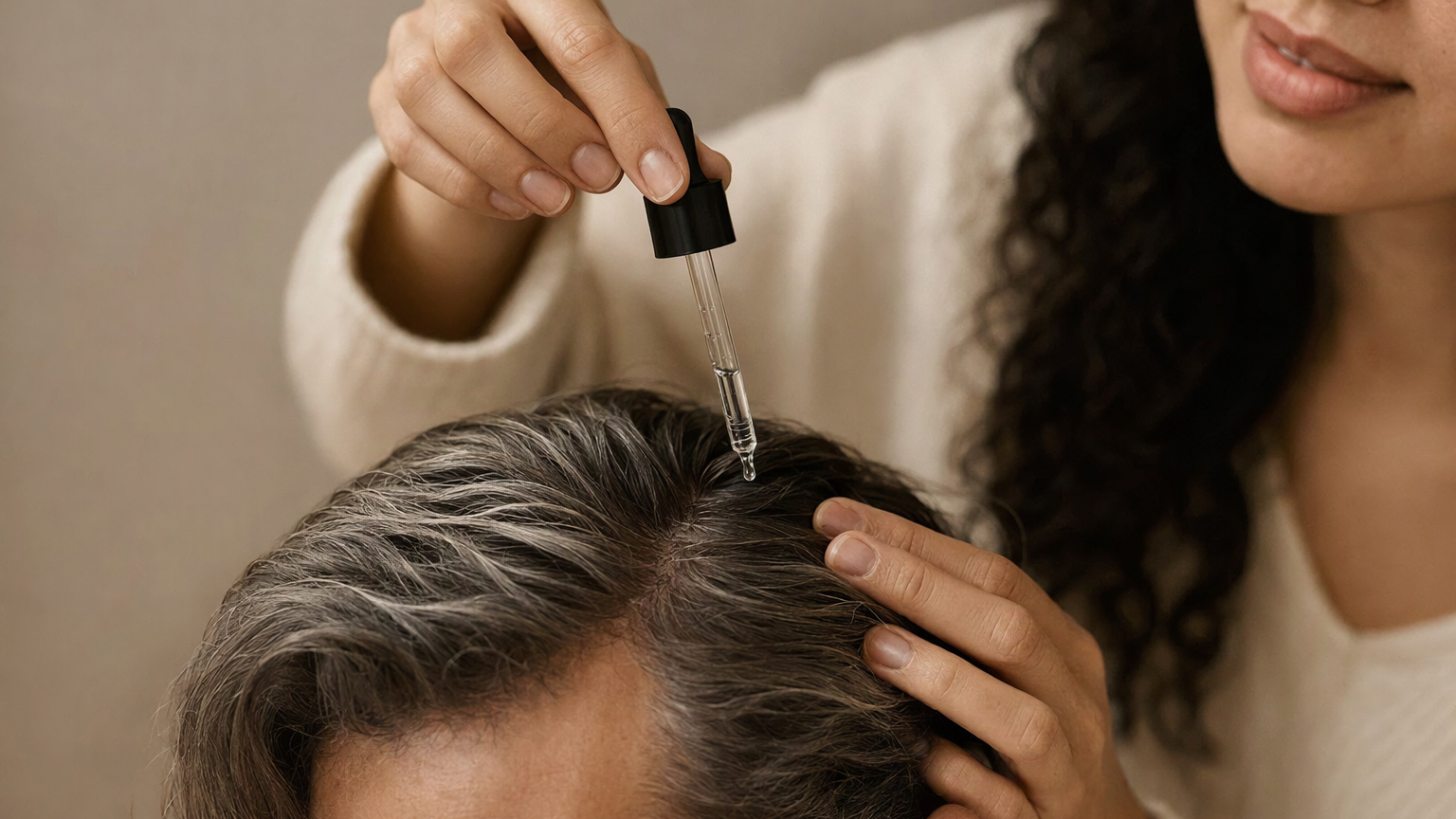
Use the Five-Part Personalization Test Before You Subscribe

We use a five-part scorecard to assess whether a customized hair loss treatment is clinically meaningful. It examines diagnostic fit, ingredient rationale, dose and route, safety screening, and the adjustment plan.

Score each category as:

  • 2 points: Clear, specific, and documented
  • 1 point: Partly explained or requiring clarification
  • 0 points: Missing, vague, or hidden

A score of 8–10 indicates a more transparent personalization process. A lower score does not prove that every treatment choice is wrong, but it shows where the service expects trust without offering enough information.

Require plain-language answers for every component. A strong plan should also explain why common alternatives were not selected—for example, why topical minoxidil was preferred over oral minoxidil, why finasteride was deferred, or why a supplement was not justified.

1. Diagnostic Fit

Ask: Can the service name the suspected cause of hair loss and explain the evidence supporting it?

“Hair thinning” is a symptom, not a complete diagnosis. The answer should connect the pattern, onset, progression, family history, reported symptoms, and submitted images to a working clinical conclusion.

A guarantee is neither possible nor credible. A useful answer might explain that the pattern appears consistent with androgenetic alopecia while noting that sudden progression, scalp symptoms, or other findings would require further investigation.

Give full points when the service provides a supported working diagnosis and acknowledges uncertainty appropriately. Give no points when it recommends a product without identifying what it intends to treat.

2. Ingredient Rationale

Ask: Can the clinician explain the purpose of every prescription drug, nonprescription ingredient, and supplement?

Each component should have a defined role. “Supports healthy hair” is not enough; the explanation should connect the ingredient to the suspected condition or a documented clinical consideration.

Suppose a bundle automatically includes biotin without an identified deficiency, dietary concern, or other rationale. We would score that plan lower for personalization, even if the bundle appears comprehensive.

The same standard applies to compounded combinations. If a formula includes minoxidil, finasteride, tretinoin, or another active ingredient, each component should be explained separately. A longer ingredient list should create more questions, not fewer.

3. Dose and Route Rationale

Ask: Why is this treatment oral, topical, or delivered by another route, and why was this strength selected?

Route affects convenience, exposure, tolerability, and risk. Someone who struggled to follow a topical schedule may reasonably discuss an oral alternative, but convenience alone does not settle the safety question.

The service should explain:

  • Why the selected route fits the treatment goal
  • Why the dose or concentration was chosen
  • Whether previous treatment experience influenced the choice
  • What route-specific risks were reviewed
  • What alternatives remain available

“Standard dose” is not a personalized explanation. Even when a commonly used dose is appropriate, the clinician should connect it to the individual’s history and state what would prompt an adjustment.

4. Safety Screening

Ask: Were relevant contraindications, interactions, and patient concerns reviewed before prescribing?

The exact review depends on the medication. It may include cardiovascular history, blood-pressure considerations, current prescriptions, allergies, reproductive considerations, previous adverse reactions, sexual concerns, or mood-related symptoms.

A checkbox may not be enough. If someone reports low blood pressure or cardiovascular medication use and is offered oral minoxidil without documented review, the process needs clarification before payment.

Questions about finasteride also require a balanced response. Generic reassurance is not individualized counseling, but neither is fear-driven messaging that presents adverse effects as inevitable. A credible consultation discusses known risks, uncertainty, alternatives, and what will happen if symptoms occur.

5. Adjustment Plan

Ask: When will tolerance, adherence, progress, and continued need be reviewed?

Hair treatment often requires consistency and time, but “wait indefinitely” is not a follow-up plan. A service should identify when it will check early tolerability, whether the regimen is being used as directed, and whether the treatment remains appropriate.

A useful adjustment plan explains:

  • When the first follow-up occurs
  • How progress will be documented
  • Which adverse effects warrant contact
  • Who can modify the prescription
  • What happens if adherence is difficult
  • When limited progress triggers reassessment
  • Whether ingredients can be added, removed, or changed separately

Adjustment is where personalization proves itself. A plan that never changes in response to adverse effects, practical barriers, or new clinical information is primarily a subscription.

Audit the Formula: Exact Ingredients, Doses, and Pharmacy Details

“Custom formula” is not enough information. Before starting a compounded hair loss treatment, obtain the exact active ingredients, concentration or tablet strength of each ingredient, instructions, route, and any inactive ingredients relevant to allergies or tolerability.

Avoid relying on labels such as:

  • Proprietary hair blend
  • Customized Rx blend
  • Advanced growth complex
  • Clinician-selected formula
  • All-in-one hair tablet

These terms do not support informed decision-making. A patient should be able to identify what is being applied or swallowed and compare the product label with the prescription.

The American Hair Loss Association distinguishes compounded preparations from mass-produced, FDA-approved medications. Compounding may serve legitimate individual needs, but the existence of a compound does not prove that it was designed for one patient or that its clinical rationale is personalized.

The dispensing pharmacy should be disclosed. The service should also explain how it communicates changes to the pharmacy, ingredients, formula base, strength, directions, or other material elements of the prescription.

Questions to Ask About a Compounded Formula

Before paying, ask the provider:

  • What is the exact strength of every active ingredient?
  • What are the directions and intended application amount?
  • Are there inactive ingredients relevant to allergies or irritation?
  • Which licensed pharmacy prepares and dispenses the medication?
  • Is the formula made for my prescription or assigned from a standard menu?
  • Who answers formulation and stability questions?
  • Who handles adverse reactions or possible dispensing errors?
  • Will I be notified if the pharmacy changes?
  • Will I be notified and asked to consent if an ingredient, strength, or base changes?
  • Which clinician approved the current formulation?

Keep a copy of the initial prescription and product label. If a later shipment looks, smells, tastes, or applies differently, compare the records and contact the pharmacy or clinician rather than assuming the difference is cosmetic.

A service that changes dispensing pharmacies or substitutes a compounded strength without clear notice creates an accountability problem. Patients should be able to verify who authorized the change and whether it affects instructions, stability, tolerability, or monitoring.

Why More Active Ingredients Can Reduce Clarity

Starting several active ingredients at once makes it harder to identify what is helping. It can also make adverse effects, irritation, or adherence problems harder to attribute.

Consider a formula containing multiple medications and a supplement. If shedding improves, it may be unclear which component contributed. If dizziness, scalp irritation, or sexual symptoms appear, identifying the cause can be equally difficult.

A staged or simpler regimen may provide a more interpretable treatment trial. Combination treatment is not automatically inappropriate, but every added component should offer enough clinical value to justify the added uncertainty.

Customization can mean subtraction. A plan that removes an unsupported supplement, avoids an unnecessary systemic medication, or introduces treatments sequentially may be more personalized than an “all-in-one” formula.

Check Whether Safety Monitoring Matches the Treatment

Monitoring is not an optional premium feature. It is one of the clearest signals that a service views personalization as ongoing clinical care rather than one-time product selection.

Monitoring needs vary by drug, route, dose, health history, symptoms, and other medications. A topical regimen and a systemic prescription do not necessarily require the same review.

Oral minoxidil should not be presented as a frictionless upgrade from topical minoxidil. Tablets may be convenient, but systemic use brings different considerations and calls for licensed-clinician selection and oversight.

Finasteride counseling should also be balanced. Potential sexual, mood-related, or other adverse effects should not be dismissed, exaggerated, or buried under generic statements. The discussion should address the patient’s concerns, relevant history, alternatives, and follow-up process.

Once safety standards are clear, practical differences such as clinician access, prescription review, and subscription policies become easier to compare. Convenience matters, but not more than access to an informed clinical response.

What an Initial Safety Review Should Establish

A responsible initial review should establish:

  • Relevant medical conditions
  • Current medications and supplements
  • Allergies and previous adverse reactions
  • Previous response to hair loss treatments
  • Baseline symptoms that could later be confused with adverse effects
  • Treatment goals and preferences
  • Relevant reproductive considerations
  • Specific concerns about risk

When systemic minoxidil is being considered, cardiovascular history, blood-pressure factors, and other relevant baseline information deserve attention. A customer who reports low blood pressure or cardiovascular medication use should not receive an automatic recommendation without clinician review.

For finasteride, the process should cover intended purpose, relevant risks, contraindications, alternatives, and what to do if concerning symptoms emerge. A scripted statement that “most people tolerate it” does not answer an individual treatment question.

Good safety screening can result in exclusion. If the review leads a clinician to avoid a drug, select a different route, adjust a dose, or request outside evaluation, that is personalization working as intended.

What Happens if Side Effects Appear?

Patients should know whom to contact before a problem occurs. The support pathway should identify whether the first point of contact is customer service, a pharmacist, a nurse, or the prescribing clinician.

The plan should state:

  • How adverse effects are reported
  • Expected response times
  • Whether urgent clinical messages receive priority
  • Who can change or discontinue the prescription
  • How pharmacy-related concerns are escalated
  • When reassessment is available
  • How emergency symptoms are handled

Providers should offer treatment-specific guidance about when to pause medication, arrange reassessment, or seek urgent care. A generic FAQ is not a substitute for evaluating an individual report.

If licensed clinician access becomes difficult after checkout, that should lower the plan’s score. Rapid shipping does not compensate for an unclear response pathway when a prescription causes concern.

Treat Genetic Testing as One Input, Not the Final Answer

Genetic information may add context to a broader hair loss assessment. Depending on the test and supporting evidence, it may inform conversations about predisposition, selected biological pathways, or possible treatment-response considerations.

Genes do not establish the current cause of every episode of shedding. Nor can they guarantee that a medication will work, determine a safe dose by themselves, or remove the need to review health history and current medications.

At Roots by GA, we take a science-led approach to genetic personalization without treating DNA as destiny. We believe genetic results are most useful when integrated with visible pattern, onset, progression, medical history, medications, previous treatment response, preferences, and ongoing monitoring.

The practical test is whether the provider can explain how a result changed the treatment discussion. “Your plan is based on your DNA” is a marketing statement. A credible interpretation identifies the finding, explains the strength and limits of the evidence, and shows how clinical information affected the recommendation.

What Genetic Information May Help Inform

Depending on the test and the quality of its supporting evidence, genetic information may contribute to discussions about:

  • Predisposition to certain patterns of hair loss
  • Selected biological mechanisms
  • Possible treatment-response considerations
  • Questions a clinician should explore more closely
  • How family history and visible characteristics fit together
  • Areas where evidence remains uncertain

The word “may” matters. Genetic associations do not always translate into deterministic treatment instructions for an individual.

A useful genetic report should generate better clinical questions, not end the evaluation. It might prompt closer review of a treatment option, but the final recommendation should still account for diagnosis, safety, route, dose, previous response, and personal priorities.

What Genetic Testing Cannot Replace

A DNA test cannot replace:

  • A clinical diagnosis or working diagnosis
  • Medication and supplement review
  • Scalp evaluation when indicated
  • Deficiency testing when clinically appropriate
  • Cardiovascular or other relevant safety screening
  • Exact prescription disclosure
  • Ongoing assessment of response and tolerability

Suppose genetic findings suggest a possible treatment response, but the patient reports sudden diffuse shedding after an illness. The recent clinical history should take priority over treating the genetic result as a complete diagnosis.

Genetic personalization also requires transparent evidence. Providers should distinguish better-established findings from preliminary associations and explain uncertainty rather than turning probability into a promise.

Decide Whether Supplements Are Personalized or Just an Upsell

Supplements should not be treated as default hair-growth insurance. Every recommended vitamin, mineral, or proprietary nutrient blend should address a documented deficiency, dietary concern, medication-related issue, or other defensible clinical rationale.

Biotin is a common example. Including it in every package does not make a plan comprehensive, and a biotin product is not a substitute for determining whether hair loss is consistent with androgenetic alopecia or another cause.

Ask for the price with and without optional supplements. This separates the cost of core treatment from add-ons and shows whether an apparently affordable plan depends on maintaining a larger bundle.

We consider the removal of an unsupported supplement a positive personalization decision. The best customized hair loss treatment is not the one with the longest label; it is the one in which every component earns its place.

Three Questions for Every Supplement

Ask these questions before agreeing to a supplement:

  1. What problem is this intended to address?
    The answer should name a specific concern, not simply claim general hair support.

  2. What evidence suggests that problem exists?
    Evidence might involve diet, symptoms, medical history, medications, or clinically indicated testing. Hair loss alone does not establish a nutritional deficiency.

  3. How will we decide whether the supplement is helping or can be stopped?
    The plan should define the intended outcome and a reassessment process.

These questions reveal whether the supplement is integrated into clinical care. If no one can explain when it should be reviewed, it may be a recurring retail product rather than an individualized intervention.

Supplement Red Flags

Be cautious when:

  • The same supplement is included for every subscriber
  • Ingredient amounts are hidden in a proprietary blend
  • No deficiency or dietary concern is discussed
  • The supplement is presented as an alternative to diagnosis
  • Claims imply that “natural” means risk-free
  • Medication and supplement interactions are ignored
  • The service cannot explain when use should stop
  • Removing the supplement is difficult or affects access to core treatment

The central question is simple: would the service still recommend this product if it were not bundled into a subscription? If the clinical rationale disappears when the sales model is removed, score the recommendation accordingly.

Review the Subscription as Part of the Treatment Plan

A clinically appropriate formula can still become unmanageable if refills, cancellation, follow-up, or clinician access are poorly designed. Subscription operations belong in the treatment audit.

Calculate the total cost rather than relying on an introductory monthly price. Include:

  • Initial consultation
  • Medication
  • Optional supplements
  • Diagnostic or laboratory testing
  • Shipping
  • Follow-up visits
  • Renewal or review fees
  • Dose or formula changes
  • Replacement-shipment charges

Also ask what happens if treatment is paused, stopped, transferred, or reformulated. Some benefits may not persist after treatment ends, so cancellation is not merely an administrative detail; it may affect continuity.

Convenient fulfillment and accountable follow-up are different functions. Automatic shipping can support adherence, but it does not prove that anyone has reviewed tolerance, progress, or whether the prescription remains appropriate.

Before Paying, Confirm These Terms

Confirm the following in writing:

  • Renewal date and billing frequency
  • Cancellation method and deadline
  • Refill processing timeline
  • Shipping charges
  • Follow-up fees
  • Refund and return limitations
  • Whether medication is billed separately
  • Whether supplements can be removed
  • Whether refills are automatic or clinically reviewed
  • What happens after a payment failure or delayed shipment
  • How prescription records can be accessed
  • Whether the prescription can be transferred when appropriate

Do not assume a “cancel anytime” banner tells the whole story. Determine whether cancellation must occur through an online account, email, phone call, or clinician appointment, and whether a shipment already being processed can be stopped.

Formulation changes need equal attention. If a pharmacy, base, strength, or combination changes, patients should receive enough information to understand who authorized it and whether the instructions or monitoring plan also changed.

Who Owns the Follow-Up?

Hair loss subscriptions often involve several parties: the platform, support team, prescribing clinician, and dispensing pharmacy. Each may handle different questions.

Before starting, identify who is responsible for:

  • Billing and delivery problems
  • Prescription decisions
  • Side-effect assessment
  • Dosage changes
  • Ingredient and stability questions
  • Dispensing errors
  • Refill authorization
  • Records transfer
  • Emergency escalation

A clear escalation route matters. Customer support should not make clinical decisions, and patients should not be bounced between a platform and pharmacy after reporting an adverse effect.

The strongest services define ownership before a problem occurs. Accountability should not become visible only after repeated messages.

Compare Leading Online Hair Loss Treatment Plans That May Include Minoxidil, Finasteride, Supplements, or Customized Formulas

Apply the clinical audit before comparing prices, package design, reviews, or before-and-after images. Those factors may inform a decision, but they cannot correct a weak diagnosis or an undisclosed prescription.

We recommend eliminating plans that fail on any of these fundamentals:

  • Diagnostic fit
  • Exact dose and ingredient transparency
  • Dispensing-pharmacy disclosure
  • Licensed-clinician accountability
  • Treatment-appropriate monitoring

A low introductory price does not compensate for an unclear formula. Dramatic photographs also cannot establish that the pictured person had the same diagnosis, pattern, regimen, timeline, adherence, or risk factors as another patient.

After eliminating plans that fail the clinical audit, compare the remaining online hair loss plans side by side for ingredients, route, pricing, cancellation, and refill details. That sequence keeps convenience from outranking clinical fit.

The 10-Question Final Check

Answer yes or no:

  1. Do I know the suspected cause of my hair loss?
  2. Can I see every active ingredient and exact dose or concentration?
  3. Can the plan explain why each component was included or excluded?
  4. Was my health history reviewed by a licensed clinician?
  5. Were risks specific to the selected route addressed?
  6. Do I know which pharmacy dispenses the prescription?
  7. Will I be notified about formulation or pharmacy changes?
  8. Is there a documented follow-up and adjustment schedule?
  9. Can I separate core treatment costs from optional add-ons?
  10. Can I cancel, transfer records, or contact a clinician without hidden barriers?

A “no” on diagnosis, prescription transparency, clinician review, pharmacy identity, or monitoring is not a minor inconvenience. Resolve it before subscribing.

The scorecard cannot guarantee results. Its purpose is to show whether a provider has created an explainable, reviewable, and accountable treatment process.

How to Interpret the Final Check

Not every “no” carries the same weight. A missing preference such as flavored medication is different from an unknown active ingredient or absent clinician review.

We treat five areas as foundational: diagnosis, exact prescription disclosure, safety review, pharmacy identity, and follow-up. If a plan fails in one of those areas, pause the comparison and request clarification in writing.

Other shortcomings may be manageable. A service might have an appropriate clinical process but inconvenient shipping, limited packaging choices, or higher follow-up fees. Those are still relevant, but they should be compared only after the clinical essentials are satisfied.

Keep copies of the recommendation, prescription label, intake answers, billing terms, and provider messages. That record makes it easier to identify unexplained changes and ask focused questions later.

FAQ

Is Online Personalized Hair Loss Treatment Genuinely Customized?

Sometimes, but the label alone proves nothing. Genuine customization connects a working diagnosis, health history, exact ingredients, route, dose, safety screening, and follow-up schedule. Choosing among preset formulas is limited customization unless a clinician can explain why the selected option fits and what individual information changed the decision.

What Are the Potential Side Effects of Oral Minoxidil?

Because oral minoxidil has systemic effects, reported concerns may include dizziness, fluid retention, changes in blood pressure or heart rate, and hair growth outside the scalp. Individual risk depends on factors such as dose, health history, baseline symptoms, and other medications. A licensed clinician should determine suitability and provide a monitoring and escalation plan.

Does Finasteride Remove DHT?

No. Finasteride inhibits an enzyme involved in converting testosterone into dihydrotestosterone, or DHT, so it lowers DHT rather than removing it completely. Treatment decisions should still account for the suspected diagnosis, contraindications, patient preferences, reproductive considerations where relevant, and balanced counseling about potential adverse effects.

What Is a 2.5 mg Minoxidil Tablet Used For?

Minoxidil tablets are approved for blood-pressure treatment and may be prescribed off-label for hair loss. The availability of a 2.5 mg tablet does not make that strength universally suitable for hair loss. Dose selection should reflect medical history, cardiovascular factors, other medications, baseline symptoms, goals, and follow-up needs.

Are Compounded Minoxidil and Finasteride Formulas More Personalized?

Not automatically. A compounded formula may combine particular ingredients or strengths, but it may also be a standard formulation assigned to many customers. Real personalization requires an individual rationale, exact prescription disclosure, a named dispensing pharmacy, safety screening, and clear notice if the formula, strength, base, or pharmacy changes.

Should Every Hair Loss Plan Include Supplements?

No. Supplements should address a defined deficiency, dietary issue, medication-related concern, or another defensible clinical rationale. Automatic biotin or proprietary nutrient blends may add cost without addressing the main cause of loss. A personalized plan should explain why each supplement is needed, how its value will be assessed, and when it can be stopped.

Stop Guessing and Demand an Explainable Plan

Use the 10-question audit before committing to an online regimen. If a provider cannot explain the diagnosis, formula, dose, safety review, dispensing pharmacy, and follow-up process, keep looking.

Explore Roots by GA’s science-led approach to personalized hair care and start building a plan in which every component has a clear reason to belong.


Peptide for Hair Growth: A Label-First Buying Guide to Topical Serums

TL;DR

A peptide for hair growth may condition strands, reduce breakage or make existing hair look fuller. That does not mean it can regrow miniaturized follicles. Before buying a peptide serum, we recommend checking the finished formula, the exact claim, the quality of the human evidence and whether the product fits the likely cause of hair loss. For a progressively receding hairline, peptides are better treated as a possible adjunct—not an automatic replacement for pathway-matched treatment.

Table of Contents

Peptide for Hair Growth: What Are You Actually Buying?

Peptide for Hair Growth: What Are You Actually Buying?

A serum may promise “peptide-powered” density, but is it affecting shrinking follicles or simply making existing hair feel thicker? Product pages do not always make that distinction clear.

“Peptide” can describe several things: a signaling ingredient, a conditioning protein fragment or a proprietary complex containing peptides alongside botanical extracts, solvents and conditioning agents. Products with similar front-label language may therefore have very different formulas, intended uses and levels of evidence.

This guide focuses on topical cosmetic serums. It is not a ranking of copper peptides, acetyl tetrapeptide-3, biotinoyl tripeptide-1 or experimental compounds discussed online.

We use a more practical standard: assess the exact formula being sold, the outcome it promises and whether that outcome fits the hair concern. An impressive ingredient name cannot compensate for vague claims, inaccessible evidence or a mismatch between the product and the underlying biology.

For an ingredient-level assessment, use our detailed peptide claim-auditing framework for genetic hair loss. Here, we focus on the next buying question: what does the bottle itself justify?

Regrowth, Thickness and Healthier-Looking Hair Are Different Outcomes

Hair-product marketing often blends outcomes that should remain separate:

  • New or renewed follicular growth: More hair emerging from follicles or a meaningful improvement in follicles affected by miniaturization.
  • Reduced breakage: Existing strands remain intact longer, which may make the hair look denser.
  • Temporary fiber coating: Film-forming or conditioning ingredients make individual strands feel smoother or appear thicker.
  • Improved scalp condition: Less dryness or irritation may support comfort and help someone maintain a consistent routine.
  • Styling improvement: Better texture, lift or manageability can reduce visible scalp exposure.

Each benefit can be worthwhile. Reduced breakage matters, and a comfortable scalp is preferable to an irritated one. Neither result, however, automatically means a product has reversed androgenetic alopecia or another form of hair loss.

Read “supports thicker, fuller-looking hair” literally. The wording may refer to appearance, fiber condition or styling—not the creation of new terminal hairs.

That distinction matters when evaluating peptides for hair growth and thickness. A serum can deliver a genuine cosmetic benefit while still being the wrong product for progressive follicle miniaturization.

Why “Best Peptide” Is the Wrong First Question

Before asking which peptide is best, we first define the problem:

  • Is the hairline moving backward at the temples?
  • Is thinning spread across the top of the scalp?
  • Did shedding increase suddenly?
  • Are strands snapping through the lengths?
  • Is the scalp itchy, inflamed or painful?
  • Are smooth or irregular patches appearing?

These patterns may have different causes. Someone with progressive temple recession may have androgenetic alopecia, while a person seeing short, broken fibers may primarily have a hair-shaft problem. A cosmetic serum does not automatically address both.

Our principle is simple: identify the likely cause, then choose products aimed at the relevant pathway. Trending ingredients should not set the treatment strategy.

How to Decode a Peptide Hair Serum Label

The best peptide serum for hair growth cannot be identified by counting peptides or choosing the longest ingredient list. More ingredients do not prove that the peptides are present at useful concentrations, remain stable or reach their proposed target.

We recommend this front-label-to-ingredient-list workflow:

  1. Write down the exact promised outcome. Separate “fuller-looking” hair from reduced shedding, measured density or regrowth.
  2. Find the featured peptide in the ingredient list. Confirm that the advertised ingredient is disclosed.
  3. Review the complete formula. Look for conditioners, film formers, fragrances, essential oils and other featured ingredients.
  4. Check the directions. A leave-on scalp serum should explain how and where to apply it.
  5. Find the evidence. Determine whether the research involved the peptide, a supplier blend or the finished retail formula.
  6. Verify the manufacturer. Look for identifiable company information, contact details and complete ingredient disclosure.
  7. Compare price with uncertainty. A higher price does not turn an ingredient theory into proof for the finished product.

A label highlighting several “advanced peptides” is not necessarily better than one containing a single peptide. Formula quality depends on factors such as concentration, stability, delivery, tolerability and evidence—not the size of the peptide count.

Read the Claim Language Literally

Cosmetic language is often carefully qualified. Those qualifiers reveal what the company is—and is not—promising.

  • “Fuller-looking hair” concerns visible appearance, not necessarily new growth.
  • “Supports density” is ambiguous unless the company defines density and explains how it was measured.
  • “Reduces breakage” refers to preserving existing strands, not generating new follicles.
  • “Promotes a healthy scalp” may concern hydration, comfort or barrier condition.
  • “Strengthens hair” usually describes the fiber rather than the follicle.
  • “Helps hair appear thicker” may reflect strand coating, conditioning or styling.

A direct claim to treat hair loss or regrow miniaturized follicles is different from appearance language. It requires more relevant evidence than a claim about softness, body or healthier-looking hair.

We do not dismiss cosmetic benefits. We simply expect the likely result to match the words on the label.

If a bottle highlights copper peptides, look for the corresponding ingredient name in the full list. Front-label prominence does not reveal the concentration, stability or biological importance of that ingredient.

Ingredient order can provide some context, but it does not disclose exact concentrations or prove that a peptide can reach its proposed target. It also cannot show whether the ingredient remains stable throughout the product’s shelf life.

“Proprietary peptide technology” is harder to assess. Without identifiable ingredients, concentration information or accessible research, buyers cannot meaningfully compare the retail formula with the material used in a study.

Watch for a disconnect between the hero ingredient and the overall formula. A serum may advertise a peptide while relying mainly on conditioning or film-forming ingredients for its immediate visible effect.

Check the Rest of the Formula

The peptide is only one part of a serum. Other ingredients can influence tolerability, cosmetic performance and the likelihood that someone will use the product consistently.

Review the label for:

  • Fragrance or fragrant botanical extracts
  • Essential oils
  • Alcohols or solvents that may feel drying
  • Conditioning polymers and silicones
  • Humectants that support hydration
  • Film-forming agents that temporarily increase body
  • Other scalp-focused or hair-loss ingredients

A visible improvement after the first few applications is more likely to come from hydration, conditioning or styling than from a change in follicular growth. That does not make the result false; it clarifies the probable mechanism.

People with sensitive or inflamed scalps should pay close attention to non-peptide ingredients. A theoretically interesting peptide does not rescue a formula that repeatedly causes itching, burning or redness.

Does “Clinically Tested” Apply to the Ingredient or the Finished Serum?

Does “Clinically Tested” Apply to the Ingredient or the Finished Serum?

“Clinically tested” sounds definitive, but it can refer to very different levels of evidence:

  1. Research on an isolated peptide
  2. Research on a supplier-owned, multi-ingredient complex
  3. Research on the exact retail serum in the bottle

These categories are not interchangeable. If a supplier complex was studied under particular conditions, a retail product cannot automatically claim the same result without showing that its formula is sufficiently comparable.

The same problem arises when research tests an isolated peptide. A retail serum may use a different concentration, formula base, application schedule or combination of ingredients.

We look for an accessible citation rather than a polished graph with no study details. The evidence should make it possible to determine what was tested, who participated, how outcomes were measured and whether the sold formula matches the tested product.

Five Study Details Worth Checking

When a brand cites a clinical study, review these points.

  1. Participants and diagnosis

    Did the research include people? Did those participants have the hair concern relevant to the claim? Findings about general hair appearance cannot automatically establish efficacy for androgenetic alopecia.

  2. Study design

    Look for a comparison group, a clear treatment method and an explanation of how outcomes were assessed. Blinding can help reduce the influence of participant or investigator expectations.

  3. Duration

    Follicular change cannot be judged like instant skin hydration. A study should run long enough to assess the intended hair outcome rather than measuring only an immediate cosmetic effect.

  4. Endpoints

    Standardized hair counts, measured density and controlled photography are more informative for regrowth claims than satisfaction scores alone. Self-reported softness may support a conditioning claim, but it does not prove new growth.

  5. Funding and replication

    Supplier- or brand-funded research is not automatically invalid, but financial relationships should be transparent. Independent replication generally gives us more confidence than one study that has not been reproduced.

The key question is not merely, “Was there a study?” It is, “Does this study support this product, used this way, for this outcome?”

Red Flags in Product Evidence

We reconsider the strength of the evidence when:

  • Only test-tube, animal or wound-healing studies are cited
  • The study used a different formula from the retail product
  • The tested complex was used at an undisclosed concentration
  • The trial combined peptides with other active treatments or procedures
  • Before-and-after images replace measured outcomes
  • Satisfaction scores are presented as proof of follicular regrowth
  • A graph has no citation or study details
  • Testimonials are treated as clinical data
  • The study examined hair fibers, but the marketing implies follicular regeneration

A common example is a serum advertising a “clinically studied peptide complex” when the cited research actually tested a supplier blend. Unless the retail formula matches the studied material in relevant ways, the evidence does not transfer automatically.

A Buy, Skip or Adjunct Scorecard for Peptide Serums

Instead of ranking peptides by name, we score the finished product across six categories. Assign zero, one or two points to each.

Category 0 points 1 point 2 points
Outcome clarity Vague or dramatic claims Qualified but imprecise Specific, measurable outcome
Formula transparency Key details hidden Ingredients listed with little context Complete disclosure and clear directions
Finished-product evidence Testimonials only Ingredient or supplier evidence Relevant human evidence on the sold formula
Pathway fit Does not address the likely cause Supportive or uncertain fit Credible fit for the defined goal
Tolerability Irritating or unclear Some concerns Appropriate and well tolerated
Price vs uncertainty High cost with weak support Acceptable trade-off Cost proportionate to evidence and goal

We interpret the total cautiously:

  • 10–12: A more defensible purchase for its stated purpose, though not proof that it will work for everyone.
  • 6–9: Consider it only with realistic expectations.
  • 0–5: Skip it or ask the seller for better information.

This scorecard does not turn a cosmetic into an approved hair-loss treatment. It helps us judge whether a product is transparent, reasonably supported and aligned with its stated role.

Consider Buying When

A peptide serum may be reasonable when:

  • The desired benefit matches the evidence, such as conditioning, reduced breakage or scalp support
  • The claim language distinguishes appearance from regrowth
  • The full formula and manufacturer are identifiable
  • The serum is tolerable and practical to use
  • Its cost will not displace a treatment more relevant to the likely cause
  • It is being used as an adjunct rather than assumed to be a standalone regrowth therapy

For someone prioritizing softer hair, reduced breakage or improved scalp comfort, a well-formulated serum may earn a place in the routine. That is a different purchasing decision from treating progressive male pattern hair loss.

Skip or Reconsider When

We recommend skipping or reconsidering a product when:

  • It promises dramatic hairline restoration without relevant human evidence on the finished formula
  • It hides behind “proprietary technology” without identifying key ingredients
  • Testimonials and star ratings carry the entire argument
  • Limited-time offers create artificial urgency
  • Celebrity speculation is presented as proof
  • Before-and-after photos change lighting, angle, styling or hair length
  • The price is high relative to the uncertainty
  • Buying it would delay assessment of rapid, patchy or unexplained hair loss

Reviews also require context. If a reviewer started minoxidil, supplements, microneedling and a peptide serum at the same time, that account cannot isolate the serum’s contribution.

Treat It as an Adjunct When Genetic Loss Is Progressing

Androgenetic alopecia involves progressive follicle miniaturization. Affected follicles produce shorter, finer hairs over time, making the scalp more visible.

A cosmetic peptide serum does not automatically address the androgen-related pathway behind that progression. Even a biologically plausible ingredient should not be assumed to stop miniaturization without relevant clinical evidence.

When a hairline is actively receding, we position peptide products as optional support for cosmetic appearance, fiber condition or scalp comfort. Our stage-by-stage roadmap to hair loss treatment for men explains how treatment priorities can change with the pattern and extent of loss.

Topical Peptide Serum vs Peptide Injection: Do Not Treat Them as Equivalent

A topical cosmetic serum and an injected research peptide are fundamentally different product categories. They differ in exposure, regulatory status, sterility requirements, dosing questions and potential systemic risk.

Online discussion does not establish that an injectable peptide is approved, effective or safe for hair loss. It also cannot establish an appropriate dose, manufacturing standard or long-term safety profile.

We do not recommend sourcing or self-injecting research peptides for hair growth. Anyone considering an injected or systemic product should speak with a qualified medical professional rather than following forum protocols.

Why BPC-157 Claims Should Not Drive a Purchase

BPC-157 is often discussed through theories involving tissue repair and wound healing. Those theories do not establish that it safely or effectively treats androgenetic alopecia.

Hair-related claims rely heavily on mechanistic extrapolation and anecdotes rather than controlled human research measuring relevant hair outcomes. A biological theory can justify further investigation, but it cannot substitute for clinical evidence.

BPC-157 should not be presented as a validated peptide for hair growth. Our broader evidence review of peptides and genetic hair loss examines the difference between plausible mechanisms and demonstrated clinical outcomes.

Cosmetic, Compounded and FDA-Approved Are Not Interchangeable

A topical cosmetic can be sold without being FDA-approved to treat hair loss. Market availability should not be mistaken for approval of a therapeutic claim. No peptide is currently FDA-approved as a treatment for hair loss.

A clinician-prescribed compounded product belongs to another category. Compounding may allow individualized ingredients or formats, but a compounded formulation is not automatically equivalent to an FDA-approved drug for a specific indication.

The distinctions matter:

  • Cosmetic: Intended primarily to cleanse, condition or alter appearance
  • Compounded prescription: Prepared under professional oversight for an individual patient
  • FDA-approved drug: Reviewed through a regulatory pathway for a defined indication
  • Research peptide: May lack approved dosing and adequate human safety or efficacy data for hair loss

Injected and systemic products warrant medical guidance. Uncertain purity, sterility, dosing and systemic effects make self-experimentation a poor trade.

Peptide for Hair Growth Side Effects and Patch Testing

Topical peptide serums are sometimes marketed as gentler alternatives to established treatments. That does not mean every formula is risk-free or that “cosmetic” automatically means safer.

Possible topical reactions include:

  • Redness
  • Itching
  • Burning or stinging
  • Dryness or flaking
  • Contact allergy
  • Follicle-area bumps
  • Worsening of an existing scalp condition

The peptide may not be responsible. Fragrance, essential oils, preservatives, solvents and botanical extracts can also trigger irritation.

The uncertainty is greater with unapproved injectable or systemic peptides. Risks cannot be inferred from topical cosmetic use, and a lack of good safety evidence should never be interpreted as evidence of safety.

How to Patch Test a Topical Serum

Follow the manufacturer’s directions and test the serum on a small area before applying it broadly. Avoid broken, infected or markedly inflamed skin unless a clinician advises otherwise.

Watch for persistent redness, itching, burning, swelling or rash. Stop using the product and seek professional guidance if symptoms are severe, spread beyond the application area or do not settle.

Patch testing can reduce avoidable surprises, but it cannot guarantee that irritation or allergy will never develop with repeated use.

When Hair Loss Itself Needs Medical Attention

Do not use another cosmetic to conceal a pattern that warrants assessment. Seek medical guidance for:

  • Sudden or heavy shedding
  • Smooth or irregular patches of loss
  • Scalp pain, marked itching or burning
  • Redness, crusting, pustules or substantial scaling
  • Shiny areas or other possible signs of scarring
  • Hair loss following illness or medication changes
  • Loss accompanied by fatigue, weight changes or other systemic symptoms
  • Rapid progression without a clear explanation

These features may point away from routine genetic thinning or indicate several contributing factors. The priority is identifying the cause, not finding a more expensive serum.

How to Test a Peptide Serum Without Being Fooled by Before-and-After Photos

Personal tracking is useful, but it is not a clinical trial. There is no control group, blinding or reliable way to eliminate every competing explanation.

Even so, a standardized process is better than daily mirror checks. We recommend taking baseline photographs before starting and comparing them at consistent intervals under controlled conditions.

Track outcomes separately:

  • Hairline position
  • Visible scalp or density appearance
  • Shedding
  • Breakage
  • Scalp comfort
  • Styling and manageability
  • Adverse effects

Do not combine these observations into a vague conclusion that “it works.” Less breakage should be recorded as less breakage—not relabeled as regrowth.

Standardize Every Photo

Keep the following consistent:

  • Room and background
  • Lighting source and brightness
  • Camera and lens
  • Camera distance and height
  • Head angle
  • Hairstyle and part placement
  • Wet or dry hair state
  • Amount of product in the hair

Photograph the front, both temples, top and crown where relevant. Dry, unstyled hair often provides a more consistent comparison than hair arranged to cover thinning areas.

Avoid hair fibers, concealers and volumizing products in tracking photos. Do not compare a fresh, short haircut with longer hair or a photo taken under harsh overhead lighting with one taken beside a soft window.

Control the Variables

Keep a dated record of other changes, including:

  • Prescription or nonprescription hair treatments
  • Procedures such as microneedling or transplantation
  • Supplements
  • Major dietary changes
  • Illnesses or high-fever events
  • Medication changes
  • Significant stressors
  • Haircuts, coloring or chemical processing

If several interventions begin together, later improvement cannot reliably be credited to the peptide serum alone. Apply the same caution to online reviews that combine serums with minoxidil, supplements or procedures.

Set a Decision Date Before Starting

Decide what outcome would justify continued use and spending. If relevant finished-product research is available, its study period can provide context, but it does not guarantee an individual result.

Softness, manageability or scalp comfort may change relatively quickly. Claims involving follicular growth require longer observation and more rigorous measurement.

Reassess earlier if irritation develops, shedding accelerates or the hairline continues to recede. An optional adjunct should not delay assessment while the underlying condition progresses.

What to Use When the Hairline Is Still Receding

Progressive temple recession or thinning across the top of the scalp may warrant assessment for androgenetic alopecia. At that point, the central question is no longer whether a serum makes hair feel fuller. It is whether the plan addresses ongoing follicle miniaturization.

Peptides may support cosmetic or scalp-care goals. Treatments such as minoxidil and prescription options may have a more direct role in managing pattern hair loss, depending on the individual. Suitability, response and side effects vary, so treatment decisions should be made with appropriate professional guidance.

Medication concerns deserve an individualized risk-benefit discussion. “Natural,” “cosmetic” and “peptide-based” do not guarantee effectiveness or freedom from adverse effects.

At Roots by Genetic Arts, we focus on personalized genetic hair-loss treatment rather than selecting products by trend. Personalization is useful when it connects the pattern of loss, biology, goals and risk tolerance to a plan that can be monitored.

Start With the Cause, Not the Trend

We assess:

  • The pattern and location of thinning
  • How quickly it is progressing
  • Family history
  • Recent changes in shedding
  • Scalp symptoms
  • Illnesses and medication changes
  • Breakage or grooming practices
  • Other plausible causes

Timely, pathway-matched intervention can matter when follicles are progressively miniaturizing. Repeated trials of weakly supported cosmetics may delay a more relevant assessment.

That does not mean everyone needs the same medication. It means the likely biological target should come before the marketing category.

Build a Plan You Can Evaluate

A useful plan includes:

  1. A working assessment of the cause
  2. Defined treatment and cosmetic goals
  3. Baseline photographs
  4. A record of shedding, symptoms and tolerability
  5. A follow-up date
  6. Criteria for continuing, changing or stopping each product

Use a peptide product only in a role supported by its evidence and the intended goal. If the goal is reduced breakage, evaluate breakage. If the goal is hairline regrowth, require evidence and measurements relevant to the hairline.

Before selecting topical or oral therapy, review the side effects to consider during personalized hair-loss treatment. A structured risk discussion is more useful than assuming every cosmetic is safe or every medication is unacceptable.

Peptide Hair Growth Questions Before You Buy

What Is the Best Peptide for Hair Growth?

There is no universally best peptide. A better question is whether the finished topical product has credible evidence for its intended outcome and the relevant type of hair loss.

An ingredient may have laboratory or supplier-level support without proving that every serum containing it regrows hair. We check the complete formula, available concentration information, delivery system, human evidence and pathway fit.

Among commonly discussed ingredients, GHK-Cu has more hair-specific support than many experimental peptides. That still does not mean every GHK-Cu serum has been shown to treat hair loss.

Do Peptides Actually Work for Hair Growth?

Some peptide products may support scalp condition, reduce breakage or improve the appearance of density. Those benefits do not automatically demonstrate new follicular growth or reversal of genetic miniaturization.

Evidence should be assessed at two levels: what is known about the ingredient and what has been demonstrated for the finished retail formula. Strong ingredient marketing cannot fill an evidence gap for the product in the bottle.

Can BPC-157 Help Hair Growth?

BPC-157 is not a validated treatment for androgenetic alopecia. Online claims are largely based on anecdotes, proposed mechanisms and extrapolation from research that did not establish controlled human hair-regrowth outcomes.

We recommend against self-injection. Questions about dosing, sterility, purity, efficacy and long-term safety belong with qualified medical professionals—not online protocols.

Are Peptide Serums Different for Women?

The same label-first buying framework applies, but the causes of thinning and appropriate treatment plans may differ. Gendered packaging does not establish that a formula addresses the underlying cause.

Persistent, sudden or unexplained loss deserves assessment. Hormonal factors, illness, nutritional problems, medications, genetic thinning and inflammatory conditions may require different approaches.

What Did Elon Musk Use to Regrow His Hair?

There is no reliable public evidence proving that Elon Musk used a specific peptide regimen. Changes in appearance cannot identify which medication, cosmetic, styling method or procedure a public figure may have used.

Celebrity speculation is not a sound product-selection standard. Evidence for the finished formula and relevance to the diagnosed cause matter more than comparisons between public photographs.

Should Reddit Reviews Influence the Decision?

Reddit reviews can reveal practical issues such as residue, odor, irritation or difficult application. They cannot establish that a serum causes regrowth.

Check whether reviewers used other treatments, changed their haircut or lighting, received free products or selected only flattering photos. Anecdotes can generate useful questions, but they cannot answer efficacy conclusively.

FAQ

How Can I Tell Whether a Peptide Serum Is Cosmetic or Therapeutic?

Start with the claim language. Phrases such as “fuller-looking,” “strengthens” and “supports a healthy scalp” usually describe cosmetic outcomes. A claim to treat hair loss or reverse miniaturization is therapeutic and requires stronger evidence. Product availability alone does not mean the FDA has approved it for hair-loss treatment.

Does a Higher Peptide Concentration Make a Serum Better?

Not automatically. Concentration matters alongside peptide identity, stability, delivery, tolerability and evidence for that amount in the finished formula. A percentage on a label may refer to a diluted complex rather than the peptide itself, so context matters.

Can I Use a Peptide Serum With Another Hair-Loss Treatment?

Possibly, but compatibility depends on the formulas and the scalp’s response. Layering several products can increase irritation and make it harder to identify what caused a benefit or adverse effect. A clinician or pharmacist can help assess combinations involving prescription, compounded or medicated treatments.

How Long Should I Test a Peptide Hair Serum?

Match the test period to the promised outcome and available evidence. Conditioning or scalp-comfort changes may appear sooner than follicular changes. Set a decision date before starting, take standardized photographs and reassess promptly if irritation develops or the loss continues to progress.

Are Expensive Peptide Serums More Likely to Regrow Hair?

No. Price can reflect branding, packaging, formula complexity or proprietary ingredients, but it does not prove regrowth. We assess outcome clarity, ingredient disclosure, finished-product human evidence, tolerability and pathway fit. An expensive cosmetic remains a cosmetic when the evidence supports appearance rather than reversal of hair loss.

Stop Guessing and Build a Pathway-Matched Plan

If the hairline is still receding, do not let another loosely supported serum delay a cause-focused assessment. Explore personalized genetic hair-loss treatment at Roots by Genetic Arts and build a measurable plan around the pathway, evidence and risks that apply to your hair loss.

PP405 for hair loss: what the clinical evidence actually shows

TL;DR

PP405 for hair loss is an investigational topical drug from Pelage Pharmaceuticals. It is not an FDA-approved treatment or a proven cure. The company has reported positive results from a randomized, placebo-controlled Phase 2a trial, but the supplied material does not provide detailed efficacy or safety data. While research continues, we recommend identifying the cause of hair loss and considering established options rather than waiting for PP405 or trying to buy an unauthorized product.

Table of Contents

PP405 for hair loss: the answer in 60 seconds

PP405 for hair loss: the answer in 60 seconds

PP405 is a topical small molecule being developed by Pelage Pharmaceuticals. It is designed to reactivate dormant hair follicle stem cells and encourage hair growth.

Pelage reported positive results from a randomized, placebo-controlled Phase 2a trial in androgenetic alopecia. In October 2025, the company also announced $120 million in Series B financing and said it planned to advance PP405 into Phase 3 trials in 2026. The supplied source does not confirm whether a Phase 3 study has since begun or provide a current trial-registry record.

PP405 remains investigational. It cannot accurately be described as an available treatment or cure.

Is PP405 the latest hair loss cure?

No. A positive early trial announcement does not prove that PP405 works for most people, restores long-bald areas or provides permanent results.

Regulatory approval requires a convincing balance of benefits and risks, along with reliable manufacturing and formal review. A company announcement cannot replace that process.

Who is developing PP405?

Pelage Pharmaceuticals is developing PP405. Its financing may support further research, but investment is not clinical evidence and does not guarantee approval.

PP405 is separate from the personalized genetic insights offered by Roots by Genetic Arts. We do not sell, prescribe or provide access to the drug.

How PP405 is designed to wake up dormant hair follicle stem cells

PP405 is designed to alter cellular metabolism so dormant hair follicle stem cells may return to an active growth state. That mechanism is promising, but a plausible mechanism does not establish clinical effectiveness.

A miniaturized follicle may still produce a fine hair. A scarred or structurally damaged follicle may be unable to produce cosmetically meaningful hair even if some stem cells remain.

Dormant does not mean dead—or guaranteed to recover

Dormancy may be reversible, but recovery can depend on the diagnosis, degree of miniaturization, inflammation and surrounding tissue.

“Waking up” stem cells therefore does not guarantee that PP405 could rebuild every temple, crown or hairline. Trials must show whether its biological effect translates into visible, durable growth.

Could PP405 work on long-bald areas?

There is not enough published evidence to promise regrowth in areas that have been bald for years. Long-bald scalp may have fewer viable follicular structures or a less supportive tissue environment than recently thinning areas.

Future research will need to identify which stages and types of hair loss remain responsive.

What the PP405 clinical trial result actually showed

What the PP405 clinical trial result actually showed

The supplied company announcement describes the Phase 2a findings as positive and says the trial was randomized and placebo-controlled. It does not provide enough detailed endpoint data for us to calculate response rates, judge cosmetic improvement or compare outcomes across all participants.

That distinction matters. A measured change in a defined scalp area is not automatically equivalent to a restored hairline, thicker strands or greater satisfaction with appearance.

Would a measured density increase look noticeable?

Possibly, but noticeability depends on baseline density, strand thickness, hair color, curl, location and styling. Photography can also exaggerate differences when lighting, angles or hair length change.

Standardized counts are useful trial endpoints. They do not guarantee an equally visible result for every participant.

Why subgroup evidence requires caution

Subgroup findings depend on how many people were included, whether the analysis was planned in advance and whether later studies reproduce the result.

Specific subgroup figures repeated online cannot be verified from the supplied official announcement. We would want full trial data or a peer-reviewed publication before treating them as established evidence.

What a larger study may clarify

Further trials could show:

  • How often participants respond
  • Whether outcomes vary by hair-loss stage
  • Which dose and regimen work best
  • Whether growth is cosmetically meaningful
  • How long any benefit lasts
  • Which adverse events occur with broader exposure

Until those results are available, effectiveness and durability remain uncertain.

PP405 side effects and the questions trials still need to answer

A topical drug is not automatically risk-free. Researchers still need to assess scalp reactions, systemic absorption, interactions and the effects of repeated use.

Early trials may also be too limited to detect uncommon or delayed problems.

What has been reported so far

The supplied announcement calls the Phase 2a results positive but does not include detailed adverse-event tables or specific side-effect rates. We therefore cannot conclude that PP405 has no meaningful risks.

A short company summary is not a substitute for complete trial results, registry data or peer-reviewed safety findings.

What remains unknown

Open questions include:

  • Long-term local and systemic safety
  • Rare or delayed adverse events
  • Drug interactions and contraindications
  • Appropriate candidates
  • Application frequency and treatment duration
  • Whether continuous use would be necessary
  • What happens after treatment stops

These uncertainties are normal for an investigational drug, but they should not be minimized.

When could PP405 be available—and can you buy it now?

PP405 has no established retail price or legitimate consumer purchase route while it remains investigational. A website claiming to sell PP405 is not equivalent to a licensed pharmacy offering an authorized medicine.

Development may still require further trials, safety analysis, regulatory submission, manufacturing validation, review and commercialization. Pelage’s plans are projections rather than regulatory commitments.

PP405 cost, reviews, Reddit posts, and before-and-after claims

There is no established retail PP405 cost or broad base of verified consumer reviews. Anonymous posts, testimonials and trial evidence are not interchangeable.

Packaging images do not prove authenticity. Marketplace products should not be assumed to contain PP405 or to be safe.

Why an approval date cannot yet be promised

Timing depends on trial outcomes, regulatory requirements and manufacturing readiness. Delays or additional studies are always possible.

We recommend relying on dated trial registries, regulatory records, peer-reviewed papers and developer announcements rather than speculative launch dates.

PP405 vs minoxidil and finasteride

Minoxidil and finasteride have substantially more clinical evidence and real-world use behind them. Neither is appropriate for everyone, but PP405 has not been shown to replace either treatment.

Factor PP405 Minoxidil Finasteride
Approach Proposed activation of dormant follicle stem cells Promotes hair growth through a different pathway Reduces conversion of testosterone to DHT
Evidence Early clinical development Established evidence Established evidence
Status Investigational Approved topical products; oral use for hair loss is off-label Prescription treatment approved for male pattern hair loss
Main limitation Effectiveness and durability remain uncertain Tolerance, adherence and response vary Risks and suitability require individual review

Anyone considering oral minoxidil should review its risks and monitoring needs in our minoxidil pill treatment guide. Our review of VDPHL01 extended-release oral minoxidil also separates research findings from availability claims.

Does Propecia reverse hair loss?

Propecia is a brand of finasteride. It can slow androgenetic hair loss and may produce some regrowth, but complete restoration is not a realistic expectation for everyone.

Finasteride targets DHT-driven miniaturization rather than every cause of shedding. Its benefits and risks should be discussed with a qualified prescriber.

Would PP405 target a different part of the problem?

Potentially. PP405 is intended to activate follicle stem cells, while finasteride reduces DHT and minoxidil promotes growth through another pathway.

These mechanisms might eventually prove complementary, but combinations must be tested. The same caution applies to emerging options such as clascoterone for hair loss: biological rationale is not the same as confirmed clinical benefit.

Do not wait for PP405 before investigating hair loss

Gradual temple recession or crown thinning may suggest androgenetic alopecia. Sudden shedding, patches, pain, redness or scarring require broader evaluation.

Other possible causes include telogen effluvium, nutritional deficiencies, thyroid disorders, traction and inflammatory scalp disease. Waiting for an investigational drug could allow a treatable condition to progress.

Can hormone pellets make your hair fall out?

Hormonal treatment may coincide with shedding or androgen-sensitive changes in some people. Timing can provide a clue, but it does not prove the cause.

Illness, stress, nutrition, thyroid function and other medicines may overlap. Prescribed treatment should not be stopped without clinical guidance.

When hair loss may not be primarily genetic

Warning signs include sudden diffuse shedding, defined patches, broken hairs, scalp pain, scaling, redness or signs of scarring.

Genetic testing can provide useful context, but it cannot replace examination, medical history or appropriate laboratory testing.

A personalized hair loss plan you can act on now

We recommend starting with diagnosis-informed evidence rather than the latest headline. A practical plan records the pattern and timing of loss, reviews possible triggers, considers established treatments and tracks progress consistently.

Scalp tolerance, side-effect concerns, convenience, cost and willingness to continue treatment all affect real-world results.

What personalization can—and cannot—tell you

Personalized genetic insights can clarify inherited susceptibility and support a more informed conversation with a clinician. They cannot diagnose every cause, guarantee treatment response or make PP405 available.

Our view is that genetic information works best as one part of a broader assessment.

What to do while PP405 remains in trials

Establish a diagnosis, document a reliable baseline and discuss current evidence-based options. Review progress at planned intervals using consistent lighting, angles and hair length.

Frequent treatment changes based on online posts can make results difficult to interpret. Consistency produces better information.

FAQ

Is PP405 a cure for hair loss?

No. PP405 is an investigational drug with company-reported positive Phase 2a findings. Permanent or universal hair restoration has not been established.

Is PP405 FDA-approved, and can I buy it?

No. PP405 is not an FDA-approved commercial hair-loss product, and there is no legitimate retail purchase route.

When might PP405 become available?

No reliable date can be promised. Availability depends on successful trials, regulatory review, manufacturing and commercialization.

What are the possible PP405 side effects?

The supplied announcement does not provide enough detail to define specific side effects or rates. Larger and longer studies are needed.

Will PP405 work on a completely bald area?

There is not enough evidence to make that promise. Results may depend on whether viable follicular structures remain and whether inflammation or scarring is present.

Are PP405 reviews and before-and-after photos trustworthy?

Treat anonymous reviews and promotional images cautiously. Reliable photographs require standardized conditions and a clear connection to controlled trial outcomes.

Build an evidence-led hair loss plan

Do not put current hair loss care on hold for an investigational drug. Explore personalized insights at rootsbyga.com and use them alongside qualified medical evaluation to build a plan based on your biology, diagnosis and goals.

Resume Subscription

Your subscription is on hold because the last payment failed.
Would you like to renew your subscription and process the payment now?