
28 Oct 2026
PCOS Hair Loss Treatment: Match the Therapy to the Real Cause
Learn how diagnosis, trigger checks, and follicle-focused therapies can help stabilize PCOS-related shedding and support regrowth. Explore your options.
Share


TL;DR
Effective PCOS hair loss treatment starts with the right diagnosis. PCOS may contribute to thinning, but iron deficiency, thyroid problems, rapid weight loss, stress, medication changes, genetics and other hair disorders can overlap. We recommend identifying the pattern, addressing relevant triggers and choosing treatment around medical history and pregnancy plans. Regrowth is not guaranteed, but early, consistent care may help stabilize loss and improve density.
Table of Contents
- TL;DR
- Table of Contents
- PCOS Hair Loss Treatment Starts With the Right Diagnosis
- What Does PCOS Hair Loss Look Like?
- Can Hair Loss From PCOS Grow Back?
- What to Check Before Choosing a PCOS Hair Loss Treatment
- A Step-by-Step PCOS Hair Loss Treatment Plan
- Minoxidil for PCOS Hair Loss: What to Expect
- Spironolactone, Birth Control, Metformin, and GLP-1 Drugs
- Diet, Supplements, and “Natural” PCOS Hair Loss Remedies
- Pregnancy, Fertility, and Frequently Asked PCOS Questions
- FAQ
- Build a Cause-Matched Hair Loss Plan
PCOS Hair Loss Treatment Starts With the Right Diagnosis
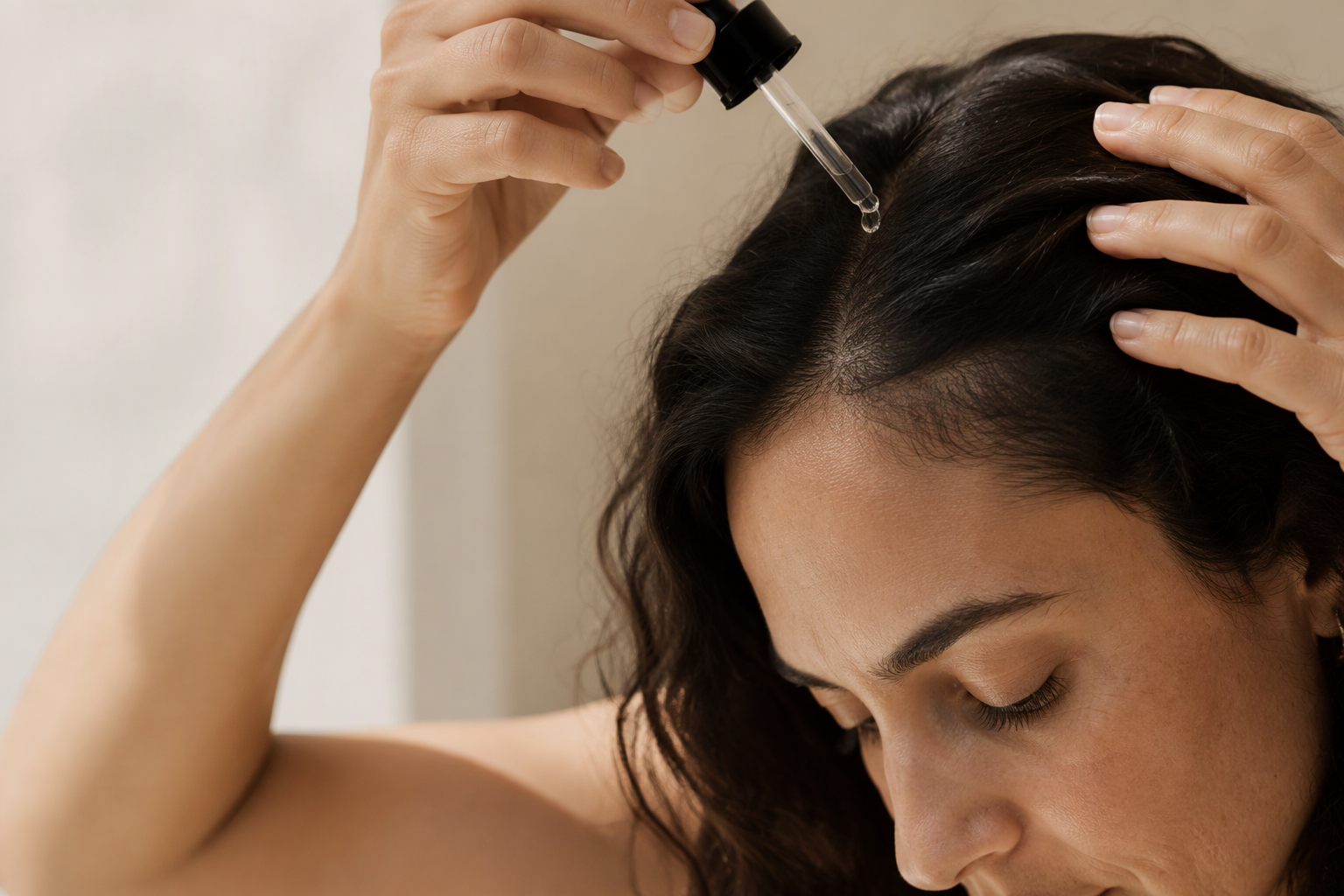
PCOS is a hormonal and metabolic condition associated with higher-than-normal androgen levels, irregular periods, abnormal ovulation, acne and excess facial or body hair. It can also be associated with scalp thinning.
Androgen-sensitive follicles may gradually produce finer, shorter hairs, often around the part and crown. However, treating irregular cycles, acne or insulin resistance does not automatically restore miniaturized scalp follicles.
Why Normal Testosterone Does Not Rule It Out
A single normal testosterone result does not show how sensitive scalp follicles are to androgens. Local hormone activity and genetic predisposition may also influence thinning.
Hair loss or a testosterone result cannot confirm PCOS on its own. Diagnosis requires a broader assessment of symptoms, medical history and relevant testing.
PCOS May Not Be the Only Cause
Pattern hair loss can occur alongside iron-deficiency shedding, thyroid disease, nutritional shortfalls or telogen effluvium after illness, stress or rapid weight loss.
That distinction matters. At Roots by GA, we focus on identifying the likely mechanisms before recommending treatment rather than assuming every shed is caused by PCOS.
What Does PCOS Hair Loss Look Like?
Possible signs include a widening centre part, reduced ponytail volume, visible scalp and gradual thinning across the crown. The frontal hairline may remain relatively preserved, although patterns vary.
| Possible condition | Typical pattern | Useful clues |
|---|---|---|
| Pattern hair loss | Gradual thinning at the part or crown | Finer hairs and family history |
| Telogen effluvium | Diffuse, increased shedding | Recent illness, stress, surgery or rapid weight loss |
| Alopecia areata | Sudden, defined patches | Smooth areas; eyebrows or nails may be affected |
| Traction alopecia | Loss in areas under tension | Tight braids, extensions or pulling styles |
| Thyroid-related loss | Often diffuse | Other possible thyroid symptoms |
| Iron-deficiency shedding | Often diffuse | Heavy periods, fatigue or restricted intake |
Sudden patches, scalp pain, marked redness, heavy scaling, scarring or rapidly progressing loss need prompt medical assessment.
PCOS Hair Loss Versus Telogen Effluvium
Pattern hair loss usually develops gradually. Telogen effluvium is more abrupt and may follow a physical or emotional stressor. Both can occur together, including when rapid weight loss triggers diffuse shedding on top of existing crown thinning.
Other Conditions That Can Resemble PCOS Hair Loss
Postpartum changes, medication-related loss, breakage, traction and nutritional deficiencies may resemble hormonal thinning. Timing, scalp findings and the distribution of loss often provide more useful information than the label “hormonal hair loss.”
Can Hair Loss From PCOS Grow Back?
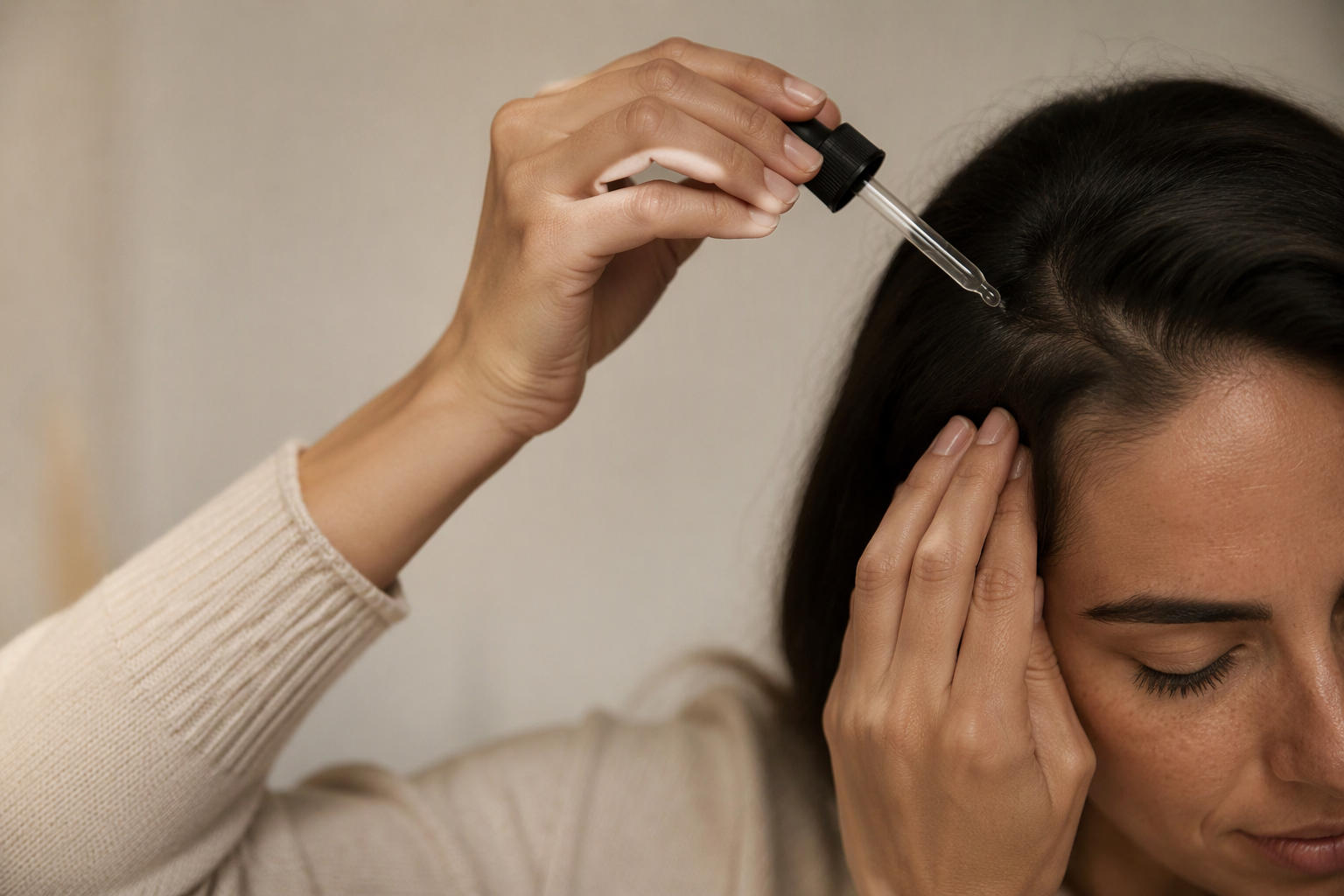
Miniaturized follicles may produce thicker hair with appropriate treatment, but outcomes vary. Longstanding loss can be harder to improve, while scarring conditions may permanently damage follicles.
We recommend separating four possible outcomes: stabilizing loss, reducing shedding, thickening existing hairs and restoring density. No responsible treatment can promise all four.
Signs Follicles May Still Be Recoverable
Fine hairs, visible follicular openings and gradual non-scarring thinning can be encouraging signs, but they do not guarantee regrowth. A dermatologist may use scalp examination or dermoscopy to distinguish miniaturization from inflammation, breakage or scarring.
A Realistic Hair-Regrowth Timeline
Hair treatment requires patience. Changes may take months to assess, and some treatments can initially increase shedding. Take baseline photographs and repeat them under the same lighting, angle and hairstyle. Daily hair counts are less useful than consistent comparisons over time.
What to Check Before Choosing a PCOS Hair Loss Treatment
A practical assessment should cover:
- The onset, speed and distribution of loss
- Menstrual changes, acne and unwanted hair growth
- Family history
- Pregnancy and conception plans
- Medicines and supplements
- Recent illness, surgery, stress or weight change
- Diet, heavy periods and nutritional risks
Testing should follow the history rather than an indiscriminate panel. A clinician may consider blood count, iron status, thyroid function, androgen testing or specific nutritional risks.
Who May Be Involved in the Evaluation
Dermatology can assess the hair-loss pattern. Primary care, gynaecology and endocrinology may investigate reproductive symptoms, thyroid health, iron status and metabolic concerns.
Bring a medication list, menstrual history, weight-change timeline and scalp photographs. Our cause-first guide to customized hair regrowth care explains why these details matter.
When PCOS Itself Still Needs Confirmation
PCOS assessment may include menstrual and ovulatory history, signs or laboratory evidence of androgen excess, imaging when appropriate and exclusion of similar conditions. Hair loss alone does not confirm PCOS.
A Step-by-Step PCOS Hair Loss Treatment Plan
We recommend a straightforward decision process:
- Confirm the type of hair loss.
- Address relevant deficiencies or triggers.
- Consider a scalp-directed treatment.
- Assess whether systemic treatment is appropriate.
- Track progress consistently and reassess.
Step 1: Address Active Triggers and Deficiencies
Confirmed iron deficiency, thyroid disease, nutritional shortfalls and severe dietary restriction need appropriate care. Supplements such as iron or biotin should not be treated as universal remedies; unnecessary supplementation can cause harm or complicate laboratory testing.
Step 2: Start a Scalp-Directed Treatment When Appropriate
Topical minoxidil is one option to discuss with a clinician. Correct scalp application, consistent use and realistic expectations matter. Before treatment, review side effects and pre-treatment risk screening.
Step 3: Consider Systemic Treatment for the Right Patient
Systemic medicines are not interchangeable hair-growth products. Selection depends on symptoms, health history, blood pressure, test results, other medications and pregnancy plans.
Minoxidil for PCOS Hair Loss: What to Expect
Topical minoxidil supports follicle activity but does not treat PCOS itself or eliminate androgen sensitivity. It needs to reach the scalp rather than coat the hair.
Topical Minoxidil: Use, Shedding and Side Effects
Possible issues include scalp irritation, unwanted facial hair from product transfer and an initial increase in shedding. Seek medical advice for severe irritation, dizziness, palpitations, swelling or other concerning symptoms. Pregnancy plans should be discussed before starting or continuing treatment.
Oral Minoxidil: Why Monitoring Matters
Oral minoxidil is an off-label option that requires clinician assessment. Potential effects include lower blood pressure, fluid retention, a faster heartbeat and unwanted facial or body hair. Our guide to oral minoxidil benefits, risks and realistic results outlines points to discuss with a prescriber.
Spironolactone, Birth Control, Metformin, and GLP-1 Drugs
These medicines have different roles:
- Spironolactone: May reduce androgen effects but requires medical oversight and pregnancy precautions.
- Hormonal contraception: May help manage cycles and androgen-related symptoms.
- Metformin: Primarily addresses metabolic or ovulatory concerns.
- GLP-1 medicines: May support weight or metabolic management for eligible patients but are not direct hair-loss treatments.
Does PCOS Qualify Someone for Ozempic?
PCOS alone does not automatically determine eligibility for Ozempic. Prescribing depends on approved indications, individual health factors, local rules and clinical judgement. If weight loss is rapid, clinicians may also review nutrition and the timing of any new shedding.
Pregnancy Prevention With Antiandrogen Treatment
Spironolactone is avoided during pregnancy because of potential fetal risk. Clinicians may also consider blood pressure, kidney function, potassium levels, health history and interacting medicines.
Diet, Supplements, and “Natural” PCOS Hair Loss Remedies
There is no universal PCOS hair-loss diet. Adequate energy, protein, iron and micronutrients support hair production, but diet alone cannot reliably reverse follicle miniaturization.
What Nutrition Can Realistically Do
Nutrition can correct documented deficiencies and support sustainable metabolic care. Rapid weight loss or restrictive eating may worsen shedding, even when other health markers improve.
Why Oils and Gummies Are Not a Treatment Plan
Oils may reduce friction and breakage, but cosmetic conditioning is not the same as increasing follicle density. Gummies also cannot restore miniaturized follicles simply because they contain popular “hair vitamins.”
Pregnancy, Fertility, and Frequently Asked PCOS Questions
Treatment choices change before conception, during pregnancy and while breastfeeding. Every prescription, over-the-counter product and supplement should be reviewed with the relevant clinicians.
Which Hair-Loss Treatments Require Review When Trying to Conceive?
Spironolactone is avoided during pregnancy, while minoxidil also requires review. Hormonal contraception is not suitable when actively trying to conceive. A fertility-focused plan therefore differs from one used with reliable contraception.
Can PCOS Be Cured or Reversed?
PCOS is generally managed rather than permanently cured. Symptoms and metabolic health may improve, but better cycles or skin symptoms do not prove that scalp miniaturization has reversed.
How Is PCOS Treated in Japan?
Treatment remains centred on individual goals, including cycle management, fertility, metabolic health and androgen-related symptoms. Available medicines and prescribing practices vary by country.
When Should Hair Loss Be Reassessed?
Seek prompt review for sudden patches, scarring, pain, marked redness, heavy scaling, rapid progression or medication side effects. Gradual loss can be tracked through consistent photographs and clinician-defined follow-ups.
FAQ
Can Hair Loss From PCOS Regrow?
Some improvement may be possible when follicles remain present but miniaturized. Treatment may stabilize loss or thicken hairs, but complete restoration is not guaranteed.
Does Normal Testosterone Exclude PCOS-Related Thinning?
No. A blood result does not measure follicle sensitivity, and PCOS diagnosis depends on a broader clinical assessment.
Is Minoxidil a Cure for PCOS Hair Loss?
No. Minoxidil may support follicle activity, but it does not cure PCOS or remove every cause of shedding.
Does PCOS Automatically Qualify Someone for Ozempic?
No. Eligibility depends on approved indications, medical history, local prescribing rules and clinician judgement.
Build a Cause-Matched Hair Loss Plan
Explore Roots by GA’s personalized, science-led approach to identify likely causes, review treatment options and build a hair-loss plan that reflects your health history and pregnancy goals.
Roots by Genetic Arts
28 Oct 2026
Thanks for your order!
Login into your profile to set up your account.