
20 Oct 2026
Minoxidil Pill for Hair Loss: Effectiveness, Dosage, Side Effects, and Safety
Learn how oral minoxidil may support hair growth, typical dosing, key side effects, and heart-related risks. See what to discuss with your clinician.

Share


TL;DR
A minoxidil pill may be more convenient than topical treatment, especially when scalp irritation or daily application gets in the way. However, oral minoxidil is not FDA-approved for hair loss; clinicians prescribe it off-label. Because it affects the whole body, treatment requires an appropriate diagnosis, health review, individualized dosing, and follow-up. We recommend choosing a plan based on medical risk and treatment response—not online dose comparisons.
Table of Contents
- TL;DR
- Table of Contents
- What Is a Minoxidil Pill, and Why Is It Used for Hair Loss?
- Are Minoxidil Pills as Effective as Topical Minoxidil?
- Minoxidil Pill Dosage: Why 2.5 mg and 5 mg Are Not Universal Answers
- Minoxidil Pill Side Effects and Warning Signs
- Who Should Avoid or Use Extra Caution With Oral Minoxidil?
- Screening and Monitoring for Oral Minoxidil
- Results Timeline: Shedding, Regrowth, and Stopping
- Why Minoxidil May Be Only One Part of a Hair-Loss Plan
- Cost, Insurance, and Online Claims
- FAQ
- Build a Hair-Loss Plan Around Your Biology
What Is a Minoxidil Pill, and Why Is It Used for Hair Loss?
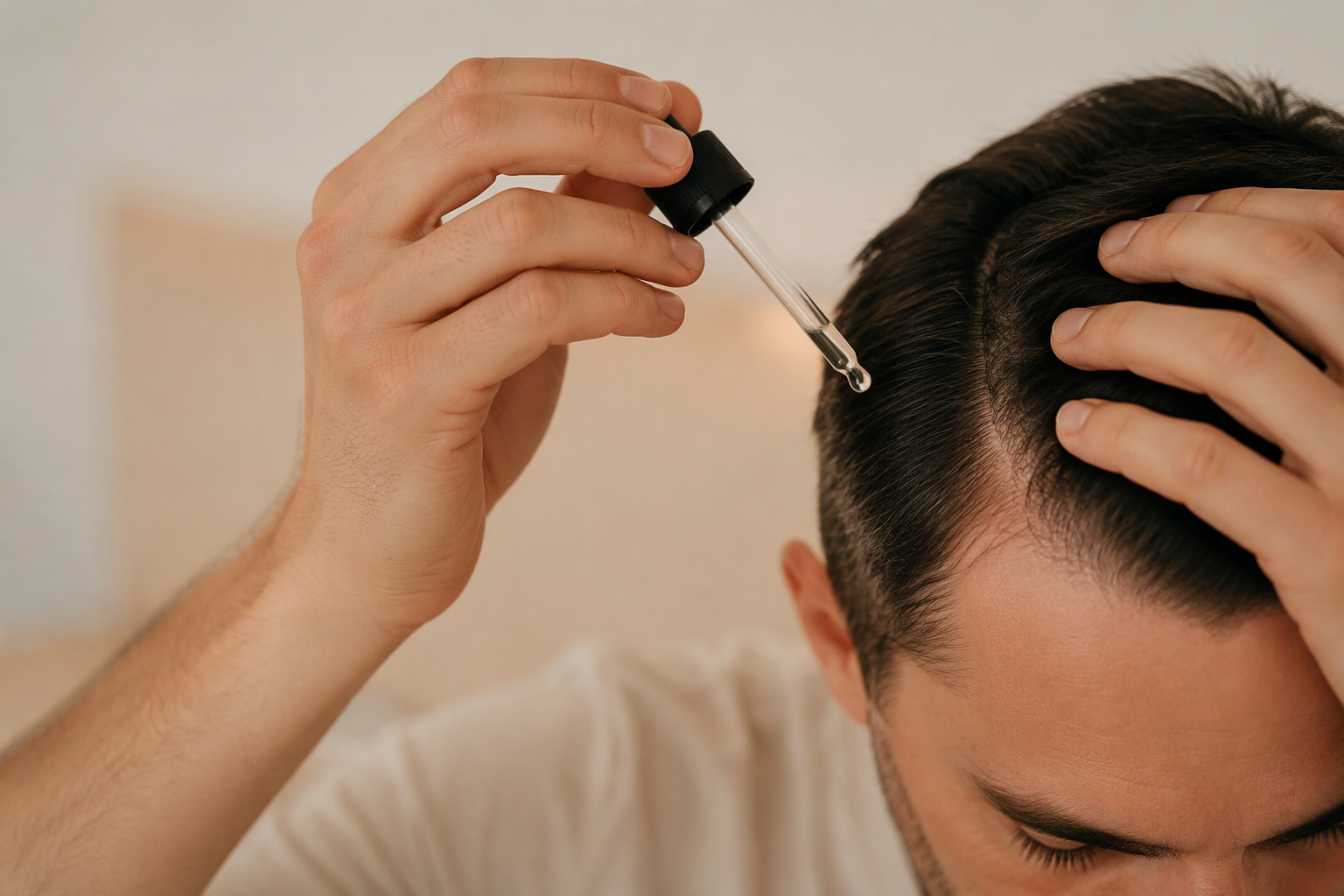
A minoxidil pill contains oral minoxidil, a systemic vasodilator developed to treat high blood pressure. It is not FDA-approved as a hair-loss medication in the US. When a clinician prescribes it to support hair growth, that use is off-label.
Off-label prescribing does not mean a treatment is automatically inappropriate. It means the prescriber must weigh the available evidence against the individual’s diagnosis, health history, alternatives, and potential risks.
Oral minoxidil may influence follicle activity and the hair-growth cycle. It cannot guarantee regrowth or restore follicles that are no longer capable of producing viable hair.
How Oral Minoxidil May Support Hair Growth
Minoxidil may help responsive follicles remain in their active growth phase for longer. Some patients may then notice changes in hair thickness, density, or growth.
Results vary. The cause and duration of hair loss, degree of follicle miniaturization, treatment consistency, other therapies, and individual biology all matter. Pattern hair loss also requires a different strategy from shedding caused by illness, medication, or nutritional deficiency.
Off-Label Does Not Mean Risk-Free
The International Society of Hair Restoration Surgery describes oral minoxidil as an option sometimes considered when topical minoxidil causes itching, scaling, altered hair texture, or styling difficulties.
A tablet can be easier to use, but it also exposes the entire body to the medication. We therefore recommend proper screening, informed consent, and a clear follow-up plan.
Are Minoxidil Pills as Effective as Topical Minoxidil?
Neither formulation is universally better. Research findings vary by diagnosis, dose, formulation, and patient group, so claims that a pill always produces stronger results are misleading.
Oral treatment may improve consistency for people who dislike topical residue or experience scalp irritation. Topical minoxidil, however, delivers treatment directly to the scalp and generally limits systemic exposure.
| Consideration | Oral minoxidil | Topical minoxidil |
|---|---|---|
| Use | Prescription tablet | Applied to the scalp |
| Convenience | May be easier to take consistently | Can affect styling or leave residue |
| Irritation | Avoids topical vehicle irritation | May cause itching, scaling, or irritation |
| Exposure | Systemic | Primarily local, although systemic effects are possible |
| Status for hair loss | Off-label | Approved products are available |
| Oversight | Requires individualized prescribing | Side effects still warrant review |
When the Pill’s Convenience May Matter
A pill removes the need to apply liquid or foam regularly. That can help someone who stopped topical treatment because of irritation, residue, or disruption to their routine.
Convenience does not remove cardiovascular concerns. Blood pressure, pulse, swelling, symptoms, medical history, and other medications still need consideration.
When Topical Treatment May Still Make Sense
Topical minoxidil may suit people who want to reduce systemic exposure and can use it consistently without significant scalp problems. “Topical” does not mean completely risk-free, but its risk profile differs from that of oral treatment.
We view the decision as an individual trade-off based on diagnosis, tolerance, preferences, medical risk, and likely adherence.
Minoxidil Pill Dosage: Why 2.5 mg and 5 mg Are Not Universal Answers

Oral minoxidil is available in different tablet strengths, including 2.5 mg. References to 2.5 mg or 5 mg online do not establish the right dose for any particular person.
More medication does not guarantee proportionally greater hair growth. It may instead increase systemic exposure and the likelihood of side effects.
What Clinicians Consider Before Choosing a Dose
A prescriber may consider:
- Blood pressure and pulse
- Cardiovascular symptoms or conditions
- History of fainting or rhythm problems
- Kidney health and fluid-retention risk
- Other medicines and supplements
- Previous treatments and side effects
- Hair-loss diagnosis and treatment response
Patients should not start, split, increase, or stop tablets without guidance from the prescriber.
Why Copying a Reddit Dose Is Risky
Two people with similar thinning may have different diagnoses, medical conditions, tablet strengths, or concurrent treatments. A forum post also rarely provides a complete account of monitoring and side effects.
We treat anecdotes as prompts for questions, not as prescribing instructions.
Minoxidil Pill Side Effects and Warning Signs
Oral minoxidil can affect hair growth beyond the scalp, fluid balance, heart rate, and blood pressure. Reported effects include unwanted facial or body hair, swelling, headache, dizziness, lightheadedness, and palpitations.
Our guide to minoxidil side effects and what to do next explains why mild, persistent, and urgent symptoms require different responses.
Commonly Reported Side Effects
Hypertrichosis means increased hair growth outside the intended scalp area. It should not be confused with improved scalp density.
New or worsening swelling, dizziness, headaches, lightheadedness, or heart-rate changes should be reported to the prescriber. Patients should not attempt to manage persistent symptoms by changing the dose themselves.
When to Seek Prompt or Emergency Medical Care
Urgent evaluation may be needed for:
- Chest pain or difficulty breathing
- Fainting or severe dizziness
- A rapid or irregular heartbeat
- Rapid weight gain
- Marked or quickly worsening swelling
Follow local emergency guidance rather than waiting for a routine hair-loss appointment.
Who Should Avoid or Use Extra Caution With Oral Minoxidil?
Hair photographs alone cannot establish whether oral minoxidil is appropriate. Heart or kidney conditions, low blood pressure, rhythm problems, fluid retention, pregnancy, breastfeeding, and other health factors may affect the decision.
Blood-pressure medicines, diuretics, vasodilators, supplements, and other substances can also matter. A clinician or pharmacist should review the full list before treatment begins.
Health History That Should Be Discussed First
Tell the prescriber about any history of:
- Fainting or unusually low blood pressure
- Palpitations or rhythm disorders
- Swelling or fluid retention
- Heart or kidney conditions
- Previous medication reactions
This is not a complete screening list. Safe prescribing requires an individual medical review.
Why Diagnosis Belongs in the Safety Conversation
Not every form of shedding needs minoxidil. Hair loss linked to illness, a medication, nutritional deficiency, or another underlying condition may require different care.
A diagnosis-first approach can prevent unnecessary treatment and show whether minoxidil addresses the main cause or only one part of it.
Screening and Monitoring for Oral Minoxidil
A safer plan identifies what will be reviewed before treatment, what will be monitored, and which symptoms should trigger reassessment.
The initial review may cover blood pressure, pulse, current symptoms, medical history, medications, and the likely cause of hair loss. Follow-up should then be tailored by the prescriber.
Before the First Dose
A practical checklist includes:
- Confirm the working diagnosis
- Set realistic treatment goals
- Review blood pressure and pulse
- Check medical history and possible interactions
- Discuss side effects and warning signs
- Establish when and how to contact the care team
- Define reasons to adjust or stop treatment
During Follow-Up
We recommend tracking adherence, side effects, unwanted hair growth, and changes in scalp coverage. Blood pressure or pulse may also need monitoring when directed.
Consistent photographs are more useful than daily mirror checks. Follow-up should answer two questions: Is the treatment helping, and does its risk remain acceptable?
Results Timeline: Shedding, Regrowth, and Stopping
Hair grows slowly, so meaningful assessment generally takes time. Lighting, styling, moisture, and hair length can create apparent changes that are not true regrowth.
Temporary shedding may occur after treatment begins, but shedding alone does not prove that treatment is working. Severe, prolonged, or worrying shedding deserves clinical review.
How to Measure Progress Without Daily Guesswork
Use the same lighting, camera angle, distance, hairstyle, hair condition, background, and parting position for each photograph. Pair images with clinician-defined checkpoints rather than comparisons with viral transformations.
Online before-and-after photos rarely reveal the person’s diagnosis, styling methods, procedures, or full treatment plan.
When the Plan Needs Reassessment
Reassessment is appropriate when side effects outweigh benefits, adherence is difficult, shedding becomes concerning, or expected improvement does not appear within the prescriber’s evaluation period.
The answer is not automatically a higher dose. Diagnosis, consistency, tolerance, and the wider treatment plan may all need review.
Why Minoxidil May Be Only One Part of a Hair-Loss Plan
Minoxidil can support growth, but it does not directly block dihydrotestosterone, or DHT. DHT contributes to follicle miniaturization in many people with androgenetic alopecia.
Growth support and management of the underlying androgen-driven process are separate goals. Combination treatment may address both, but it must be selected for the individual.
Our guide to a personalized combination approach explains why treatments should not be stacked without a clear rationale.
Growth Stimulation Is Not the Same as DHT Management
A useful framework is:
- Growth support: helps responsive follicles produce thicker or longer-growing hair.
- Protection: addresses factors contributing to ongoing miniaturization.
- Monitoring: checks whether benefits, side effects, and goals remain aligned.
What Meaningful Personalization Includes
We consider the diagnosis, hair-loss pattern, family and medical history, contraindications, preferences, adherence barriers, and follow-up response. Genetic information may inform that discussion, but it cannot independently predict safety or results.
The HairOS™ Precision Growth System can support a tailored strategy when topical treatment is clinically appropriate.
Cost, Insurance, and Online Claims
The tablet is only one part of the potential cost. Consultations, monitoring, dispensing, tests when indicated, shipping, follow-ups, and renewals may also apply.
Will Insurance Pay for Oral Minoxidil?
Coverage varies by plan, diagnosis, formulary, and authorization requirements. Off-label hair-loss treatment may not be covered. Check medication, consultation, testing, and monitoring costs separately.
What Can Reddit Experiences Tell Us?
Patient communities can reveal practical concerns about adherence and side effects. They cannot verify a poster’s diagnosis, health history, other treatments, or monitoring.
What Did Jennifer Lopez Use for Hair Loss?
There is no reliable basis for concluding that a public figure used oral minoxidil. Changes in appearance may involve styling, extensions, fibers, procedures, medication, or several approaches.
Do Patients Have to Take the Minoxidil Pill Forever?
Minoxidil supports hair growth rather than permanently curing the underlying cause of progressive hair loss. Benefits may be lost after treatment stops. Any decision to discontinue should be discussed with the prescriber.
FAQ
Are Minoxidil Pills More Effective Than Topical Minoxidil?
Not for everyone. Results depend on the diagnosis, adherence, treatment tolerance, follicle condition, and wider care plan. Oral treatment may work better in practice when someone cannot consistently use a topical product.
What Are the Main Downsides of Oral Minoxidil?
The main concern is systemic exposure. Possible effects include unwanted facial or body hair, swelling, dizziness, headache, blood-pressure changes, and palpitations. Serious symptoms require prompt medical attention.
Can Someone Switch From Topical Minoxidil to a Pill?
Possibly, but a qualified prescriber should direct the change. The clinician should review blood pressure, pulse, cardiovascular and kidney history, medications, prior side effects, and the monitoring plan.
Can Oral Minoxidil Be Taken With Other Hair-Loss Treatments?
Sometimes. Combination treatment may address different causes or mechanisms, but it can also introduce additional risks. We recommend combining treatments only when each component has a defined purpose and has been reviewed for contraindications and interactions.
Is Oral Minoxidil Suitable for Every Type of Hair Loss?
No. The cause of the hair loss matters. Pattern hair loss, temporary shedding, inflammatory scalp conditions, medication-related loss, and nutritional deficiencies may need different treatment strategies.
Build a Hair-Loss Plan Around Your Biology
Explore personalized hair-loss treatment with Roots to build a diagnosis-led plan around your medical history, hair-loss pattern, goals, and tolerance for risk.
Roots by Genetic Arts
20 Oct 2026
Thanks for your order!
Login into your profile to set up your account.